
How is it used?
An image that guides planning, when needed
A CT scan gives detailed information about bone height and width, the position of the nerve canal and the sinuses, root shapes and conditions inside the bone. This information is used especially in implant planning, complex root canal treatment, assessing wisdom teeth and some orthodontic cases.
Not every examination needs a CT scan. In most cases a clinical examination and two-dimensional X-rays are enough. A CT scan is taken when the information it provides will affect the treatment decision, and with the smallest possible scan area.
At the clinic in Cevizli, Maltepe, the CT images are reviewed with you during the examination, and the treatment plan is explained using these images.
When is it needed?
When a CT scan is used
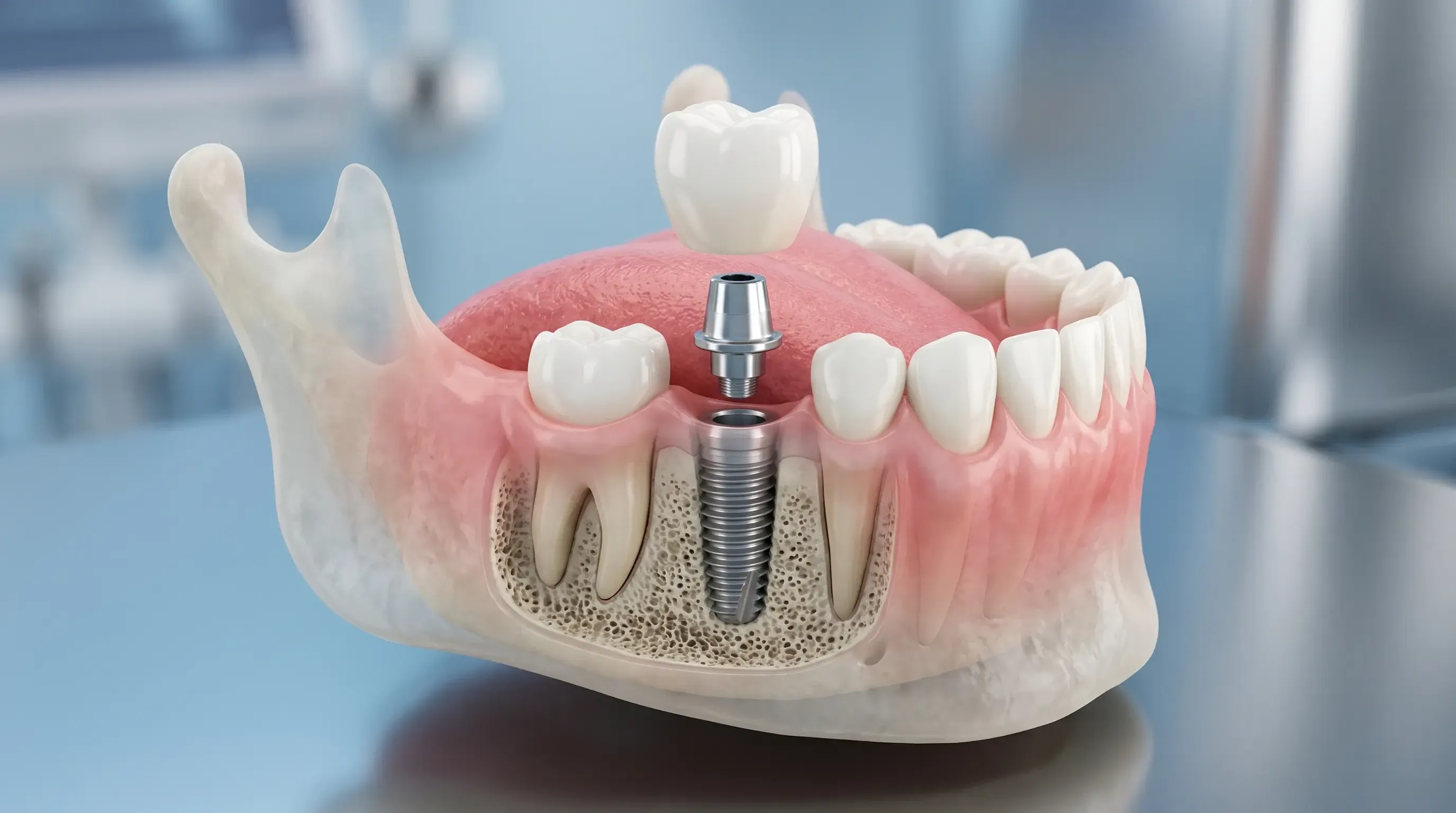
- Assessing the bone and nerve canal before implants
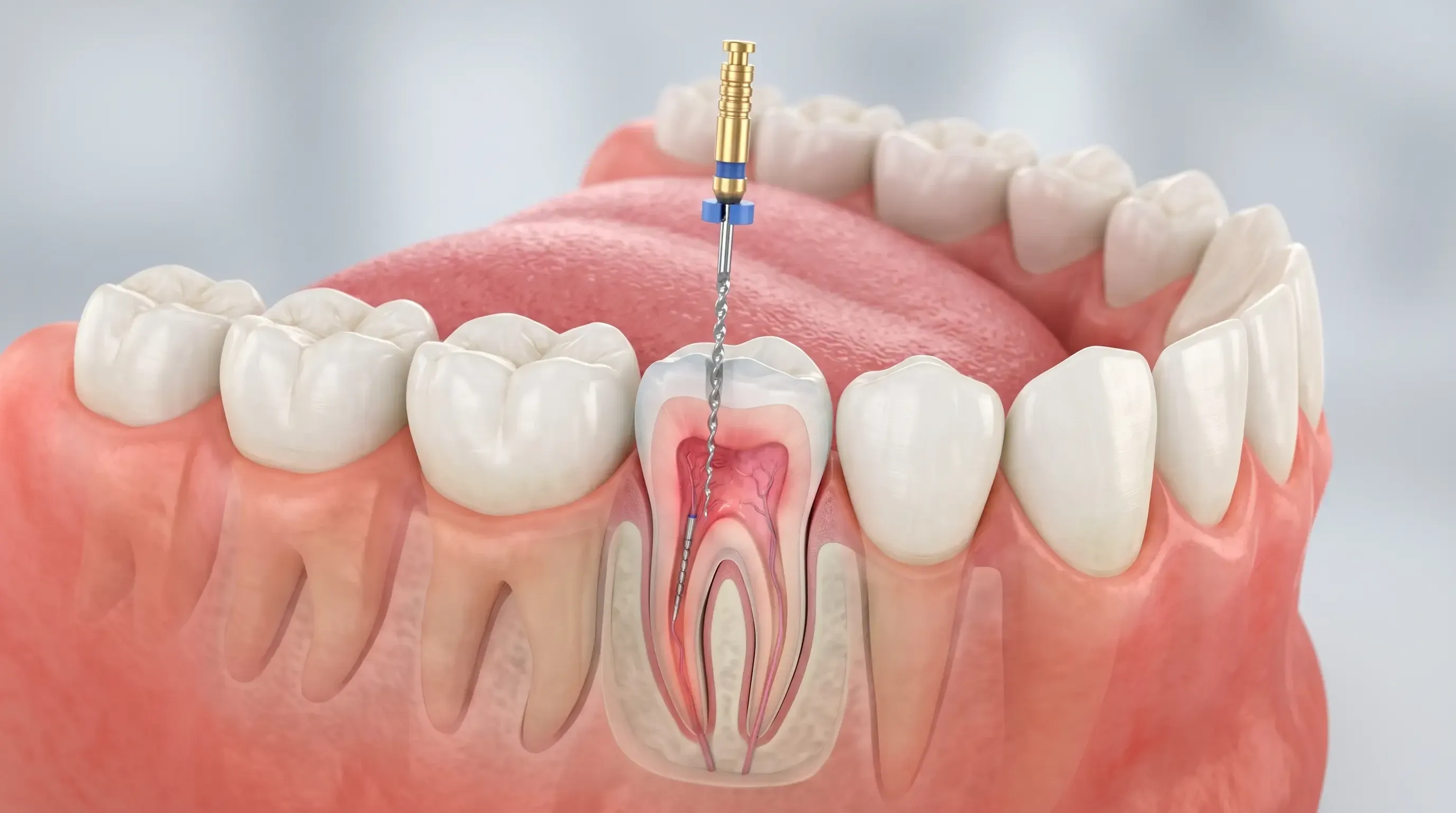
- Planning root canal treatment for teeth with complex roots or recurring infection
- Assessing the position of wisdom and impacted teeth and how close they are to the nerve
- Assessing cysts and lesions inside the bone
- Examining tooth and root positions in some orthodontic cases
How is it taken?
The stages of a CT scan
Examination and decision
After the examination, the dentist decides whether a CT scan is needed and what area it should cover.
Preparation
Metal items such as earrings, glasses, hair clips and removable dentures are taken off. Tell us if you might be pregnant.
Scan
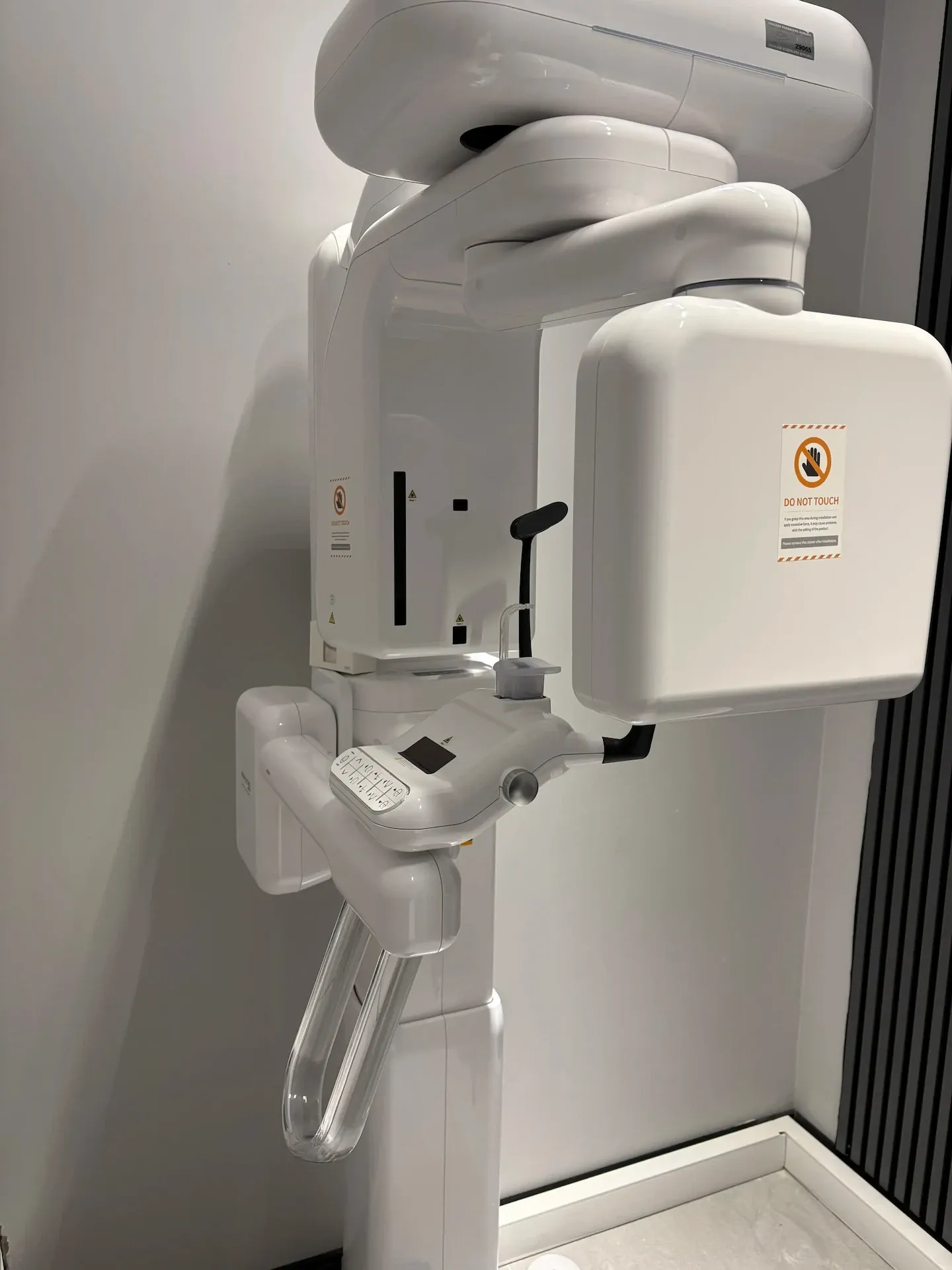
Standing or sitting, with your head kept still, the machine rotates around your head. The scan is short; you are asked not to move during it.
Assessment
The images are reviewed by the dentist, and the treatment plan is discussed with you using the images.
Frequently asked questions
Questions about 3D dental CT (CBCT)
What is a dental CT scan?
A dental CT scan (cone beam computed tomography, CBCT) is a method that images the teeth and jaws in three dimensions. The images can be examined in different planes and layer by layer.
What is the difference between a dental CT scan and a panoramic X-ray?
A panoramic X-ray shows all the teeth and jaws in a single two-dimensional image, where structures can overlap. A CT scan gives a three-dimensional image, so information such as bone width, the position of the nerve canal and root shapes can be examined in more detail.
When is a dental CT scan needed?
The main uses are implant planning, complex root canal treatment, assessing wisdom and impacted teeth, lesions inside the bone and some orthodontic cases. The decision is made by the dentist after the examination.
Is a CT scan taken for every dental treatment?
No. For most treatments a clinical examination and two-dimensional X-rays are enough. A CT scan is taken only when the information it provides will affect the treatment decision.
How long does a CT scan take?
The imaging itself takes from a few seconds to a short while. Including preparation and positioning, the procedure is short.
Does a CT scan hurt?
No. During the scan you only need to stay still for a few seconds; nothing touches your teeth and no procedure is done.
How much radiation does a dental CT scan involve?
The dose depends on the size of the scan area and the machine settings. A dental CT scan generally uses a lower dose than a medical CT scan, but a higher dose than two-dimensional dental X-rays. This is why it is taken only when needed and with the smallest possible area.
Can a dental CT scan be taken during pregnancy?
If you are pregnant or might be, please tell us before the scan. Non-urgent imaging is usually postponed; when necessary, the decision is made based on the dentist's assessment.
Are dental CT scans taken for children?
Because children are more sensitive to radiation, a CT scan is taken only when truly necessary and with the smallest scan area. In most cases two-dimensional X-rays are enough.
What should I be careful about before a CT scan?
Metal items such as earrings, necklaces, glasses, hair clips, piercings and removable dentures should be taken off. Metal items can distort the image.
Why is a CT scan important for implants?
The height, width and density of the bone where the implant will be placed, and the position of the nerve canal and sinuses, can be measured on a CT scan. This information is used to plan the size and position of the implant.
Can I get a copy of my CT images?
Yes, you can request a copy of your CT images. Because the images are personal health data, they are given only to you or a person you authorise.
Can a CT scan taken elsewhere be used?
If you have a recent CT scan covering a large enough area for treatment, it is helpful to bring it. The dentist decides whether the image is sufficient for treatment planning.
How can I book a dental CT scan in Maltepe?
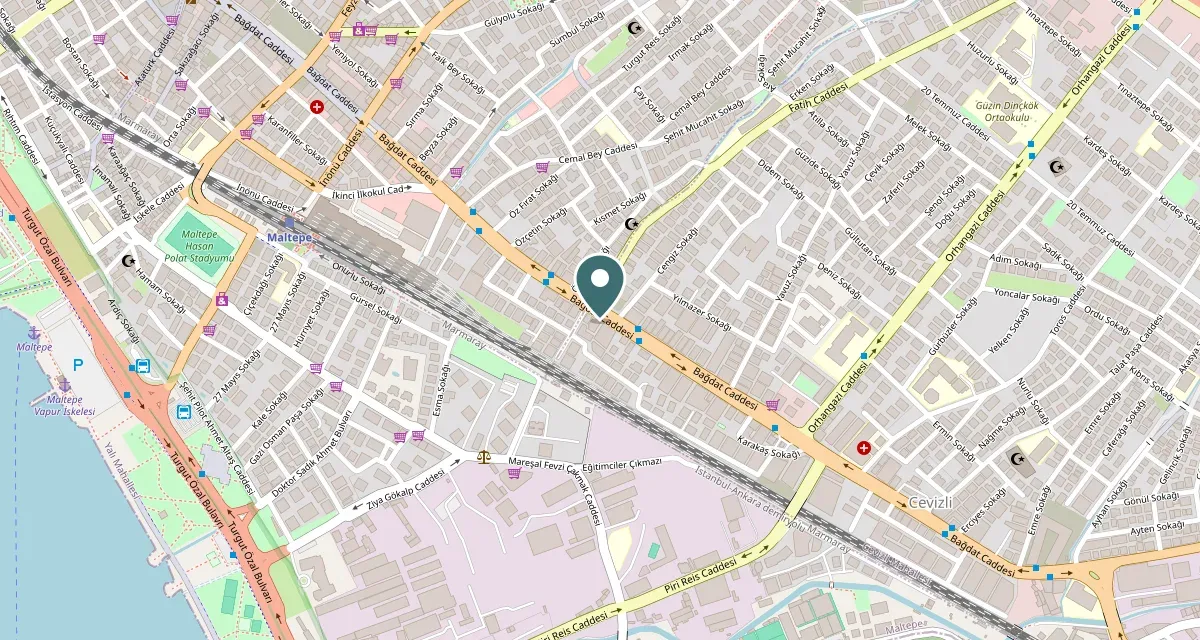
You can fill in the appointment form on this page, call us or send a message on WhatsApp. The clinic is on Bağdat Caddesi in Cevizli, Maltepe, close to Kartal, Küçükyalı and İdealtepe. The CT scan can be taken at the same appointment after the examination, if the dentist considers it necessary.