
Treatment approach
Save the tooth first; extract only when planned and necessary
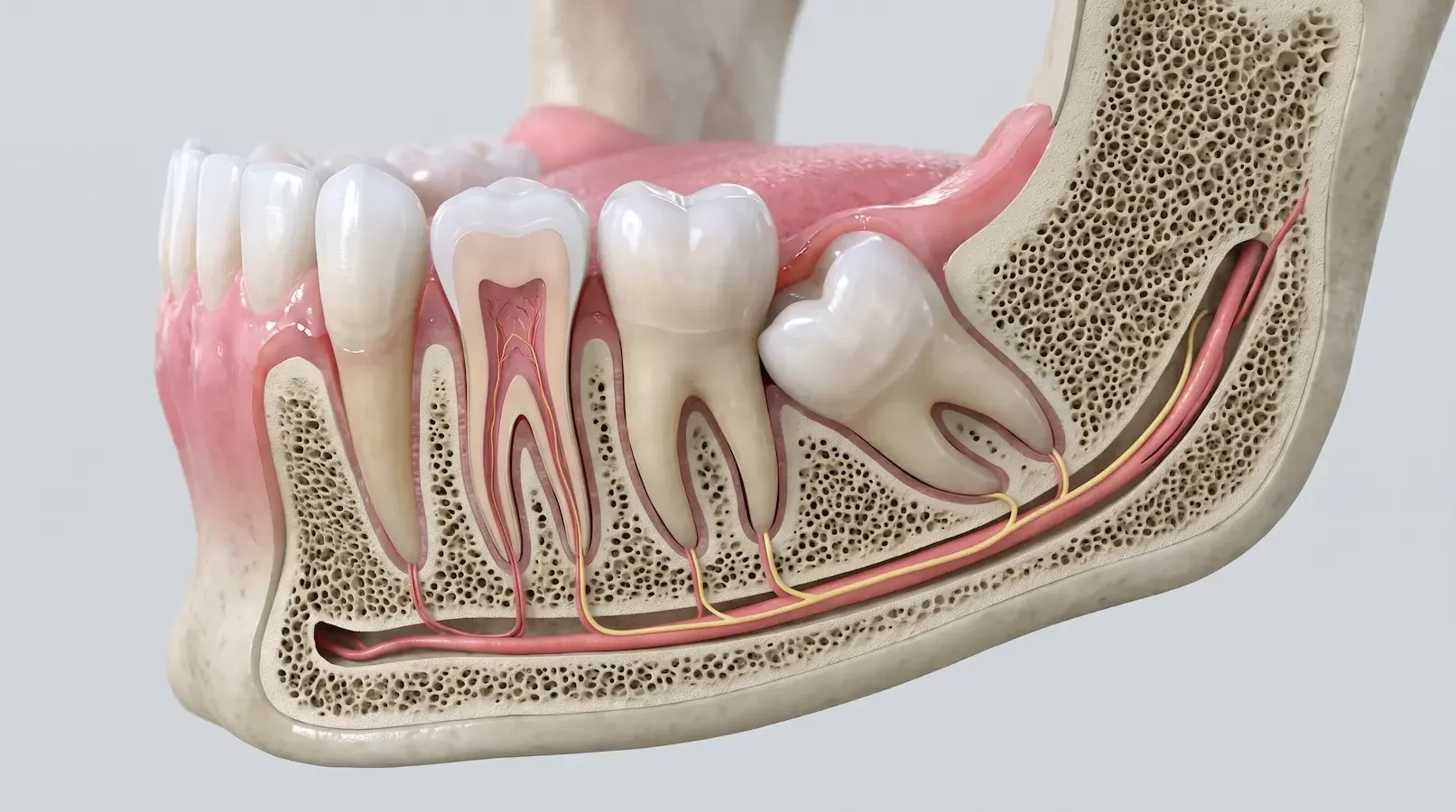
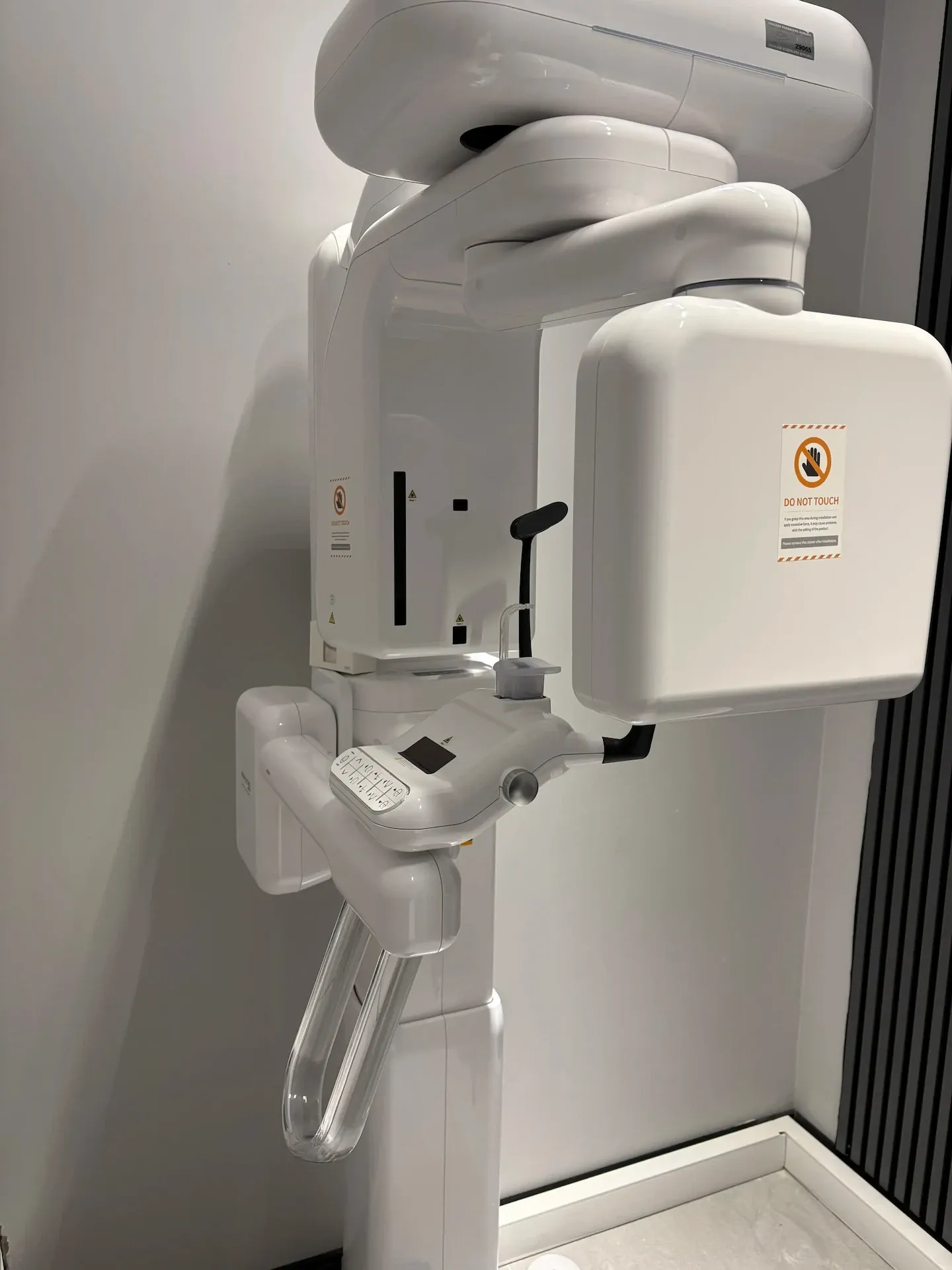
The decision to extract is made after an examination and X-ray assessment. The roots of the tooth, the surrounding bone and nearby structures are examined; if needed, a 3D scan gives a more detailed assessment.
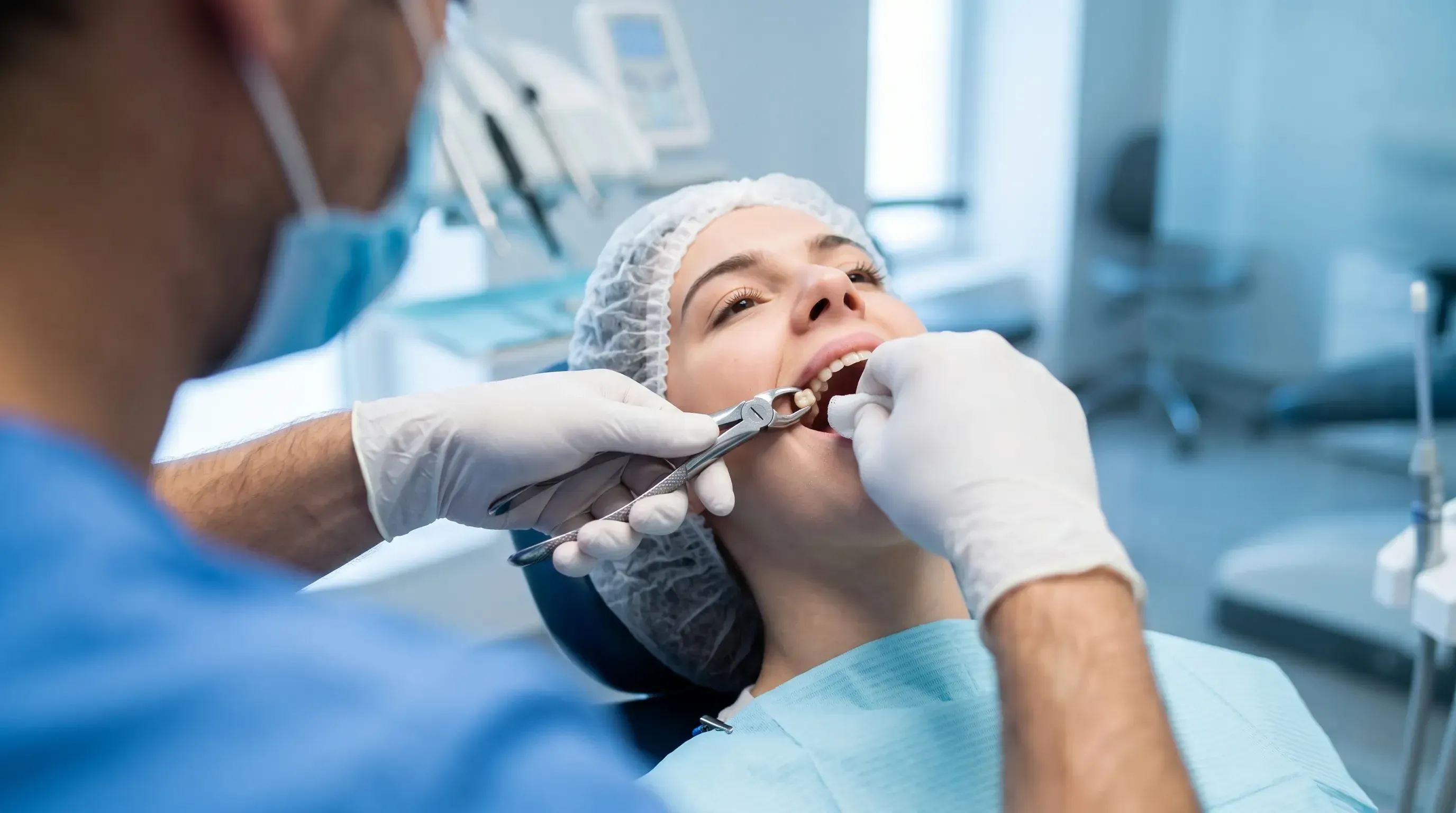
The extraction is done under local anaesthetic. Afterwards you bite on a gauze pad to stop the bleeding, and what to do at home is explained in writing and in person.
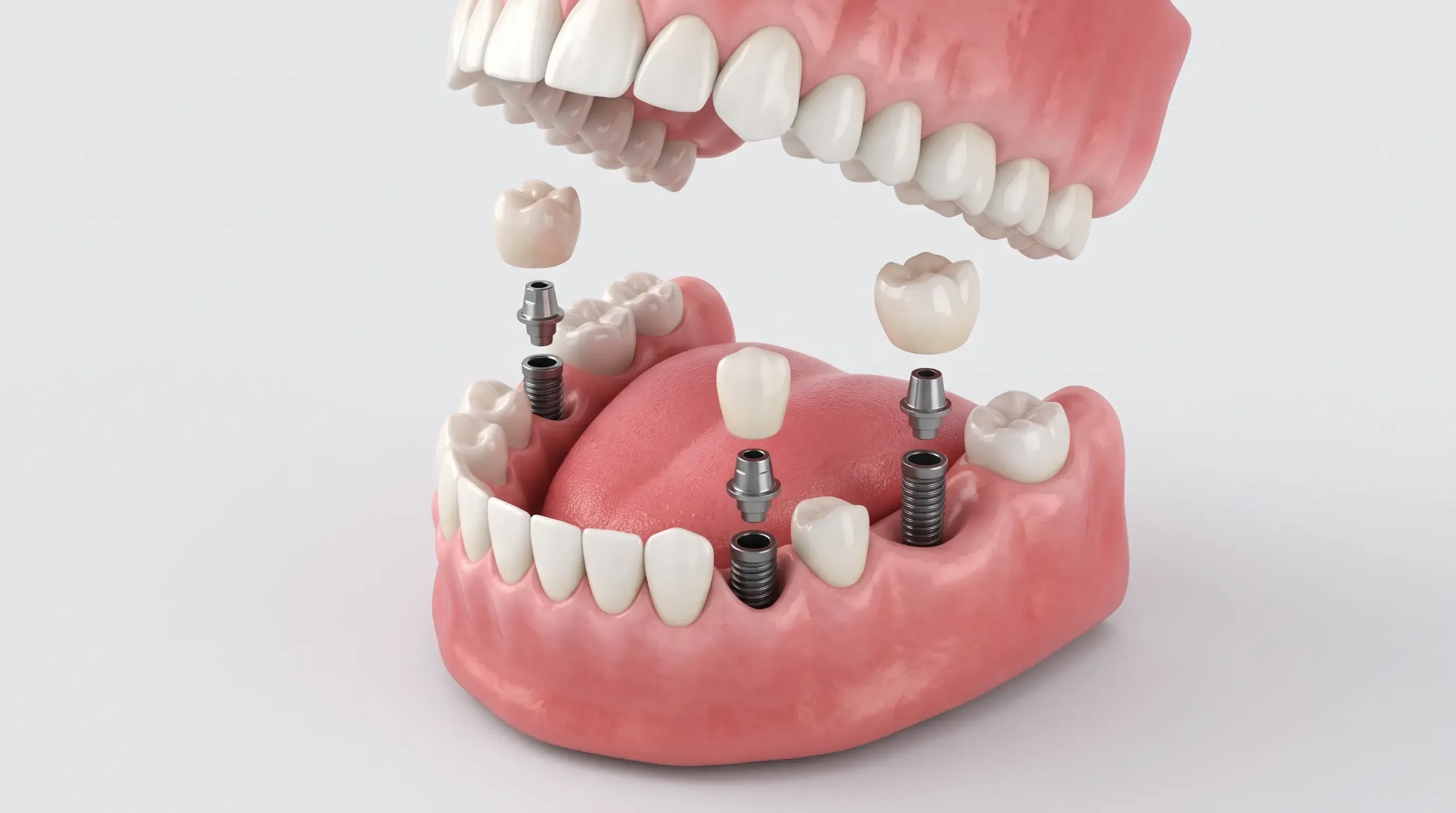
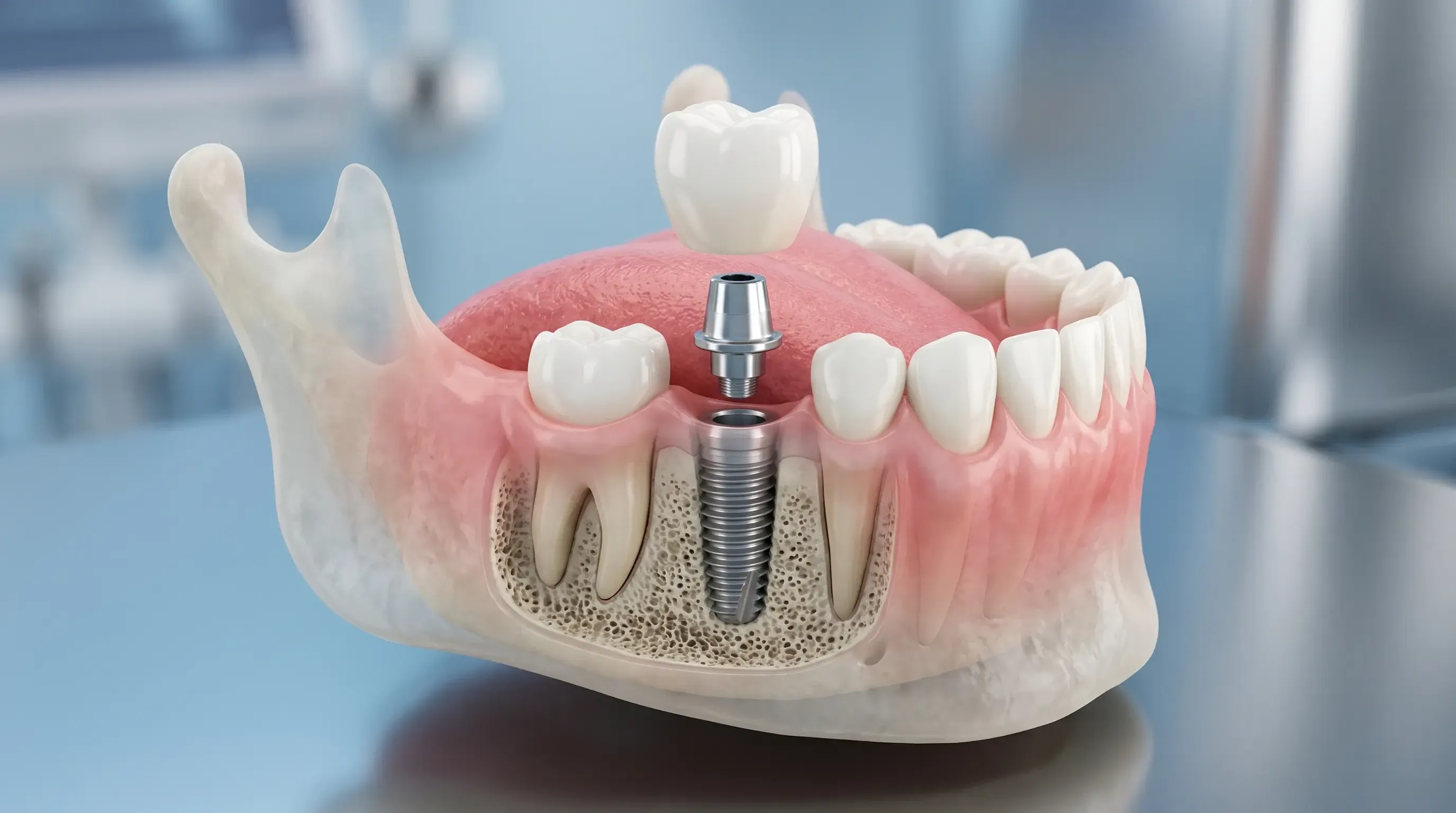
Leaving the gap empty can, over time, cause neighbouring teeth to shift and chewing to be affected. This is why replacing the missing tooth with an implant, bridge or denture is also discussed before or after the extraction.
When is it needed?
When tooth extraction is considered
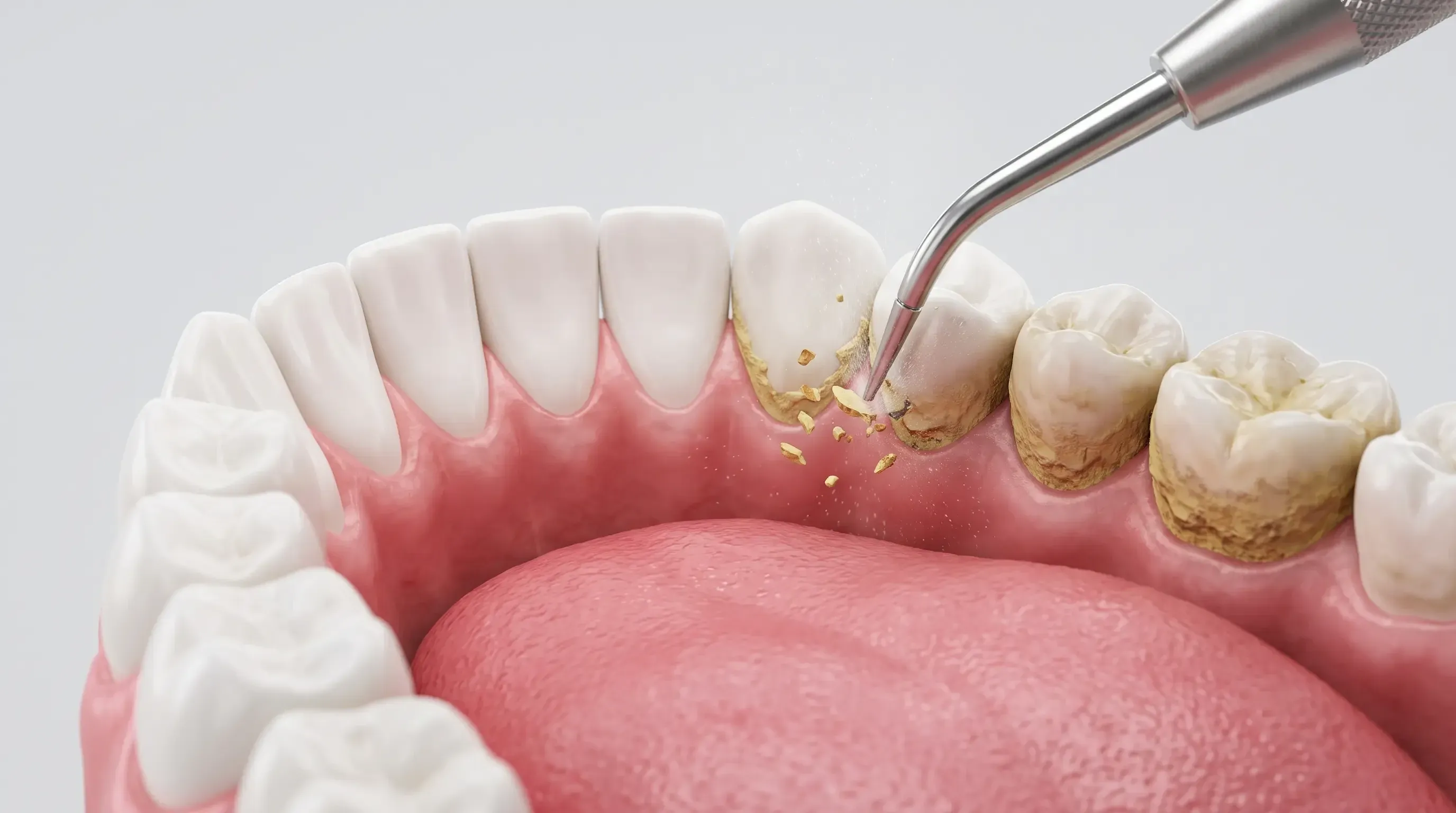
- Decay too advanced to be saved with treatment
- Teeth with a fractured root or a vertical crack
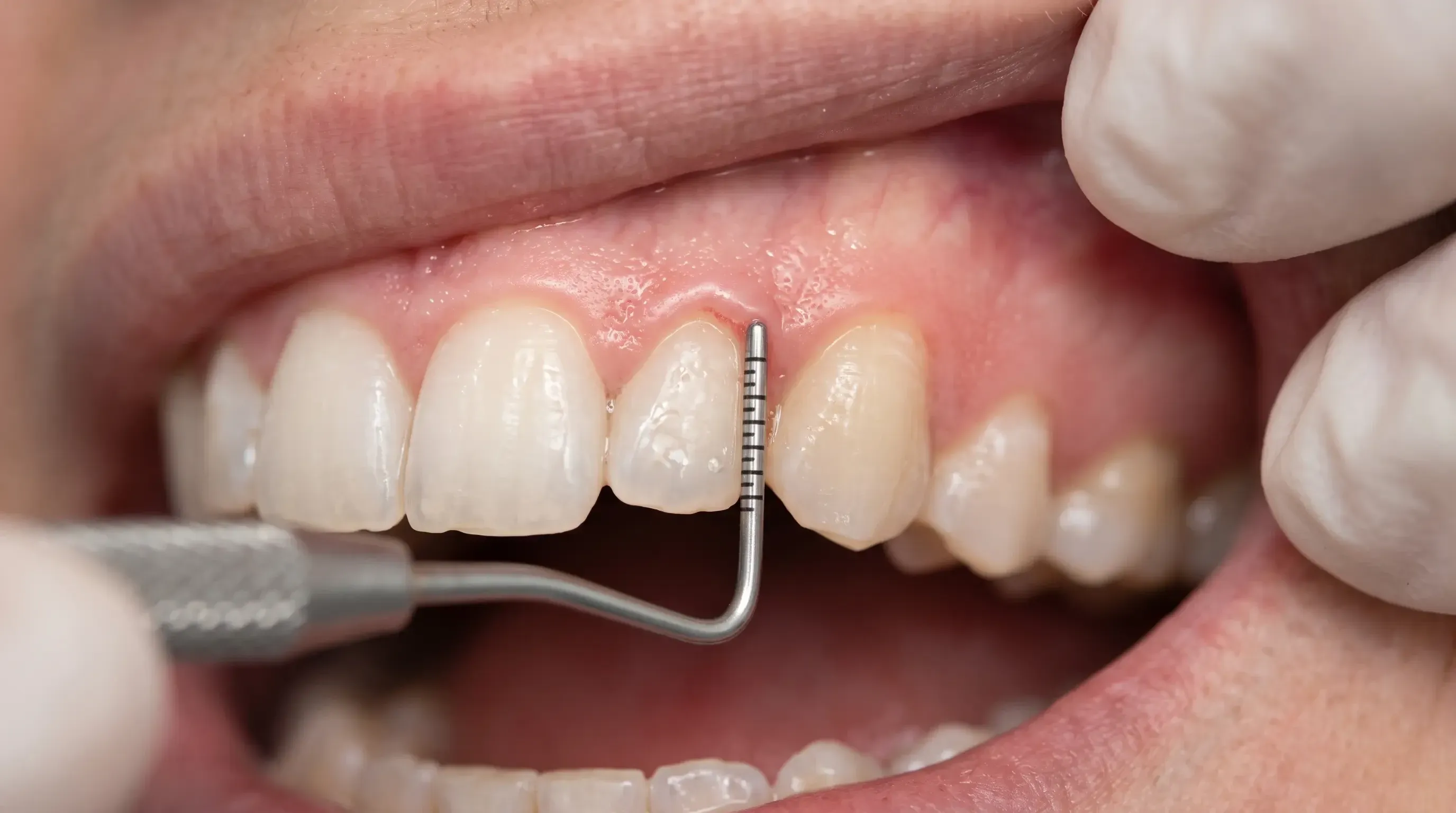
- Loose teeth that have lost their support due to advanced gum disease
- Teeth that need to be removed as part of an orthodontic plan
- Baby teeth that are late to fall out and block the adult tooth
- Impacted teeth and teeth that need surgery are also extracted at the clinic.
How does it work?
The stages of tooth extraction
Examination and imaging
The condition of the tooth and its roots is assessed with an X-ray or, if needed, a 3D scan; we explain whether the tooth can be saved.
Health information
You are asked about the medicines you take (especially blood thinners) and your general health.
Extraction
The tooth is extracted under local anaesthetic and a gauze pad is placed over the area.
Aftercare
What to do at home is explained; a check-up is booked if needed and replacement of the missing tooth is planned.
Frequently asked questions
Questions about Tooth extraction
When is a tooth extraction needed?
The main reasons are decay too advanced to be saved with treatment, a fractured root, teeth loosened by advanced gum disease, an orthodontic plan, and baby teeth that are late to fall out. The decision is made after an examination and X-ray.
Does a tooth extraction hurt?
The extraction is done under local anaesthetic; the area is numb during the procedure, though you may feel pressure. Your dentist will advise you on managing any pain after the numbness wears off.
How long does a tooth extraction take?
It depends on the position of the tooth, the shape of its roots and its condition. Simple extractions are usually quick.
How long should I bite on the gauze after an extraction?
Biting on the gauze for the time your dentist says, usually around 30–45 minutes, is recommended. If bleeding continues, you can apply pressure in the same way with a clean piece of gauze.
When can I eat after an extraction?
Once the numbness wears off, you can have lukewarm, soft food. On the first day, avoid very hot, hard and spicy food and chewing on the extraction side.
What should I be careful about after an extraction?
For the first 24 hours, do not rinse vigorously, spit, drink through a straw or smoke. Protecting the blood clot in the socket is important for healing. Take any medicines your dentist recommends as directed.
How long does bleeding last after an extraction?
Slight oozing is possible in the first hours. If bleeding does not stop with pressure or gets heavier, contact the clinic.
Is there swelling after an extraction?
There may be slight swelling after some extractions. On the first day, applying something cold to the cheek at intervals can help reduce it. If swelling increases or you have a fever or a bad smell, contact the clinic.
What is dry socket?
Dry socket happens when the blood clot in the socket breaks down too early; it shows up as severe pain starting a few days after the extraction. Smoking and vigorous rinsing increase the risk. If you have this kind of pain, contact the clinic.
Can people who take blood thinners have a tooth extracted?
If you take blood thinners or any other regular medicine, please tell us at the examination. Do not stop the medicine yourself; if needed, an assessment is made together with the doctor who prescribes it.
Can people with diabetes or heart disease have an extraction?
Your general health and the medicines you take are assessed before an extraction. In some cases your doctor's opinion may be requested.
Can a tooth be extracted during pregnancy?
If you are pregnant, please tell us at the examination. Non-urgent procedures can be planned for a suitable time; when necessary, treatment is done based on the dentist's assessment.
What can replace an extracted tooth?
A missing tooth can be replaced with an implant, a bridge or a removable denture. Which option suits you depends on the bone, the condition of the neighbouring teeth and your expectations.
How long after an extraction can an implant be placed?
Timing depends on the condition of the bone at the extraction site and on healing. In some cases healing is awaited first. This decision is made after an examination and imaging.
Are impacted teeth extracted at the clinic?
Yes. Impacted teeth and teeth that need surgery are extracted at the clinic under local anaesthetic, planned after an examination and imaging.
How can I book an appointment for a tooth extraction in Maltepe?
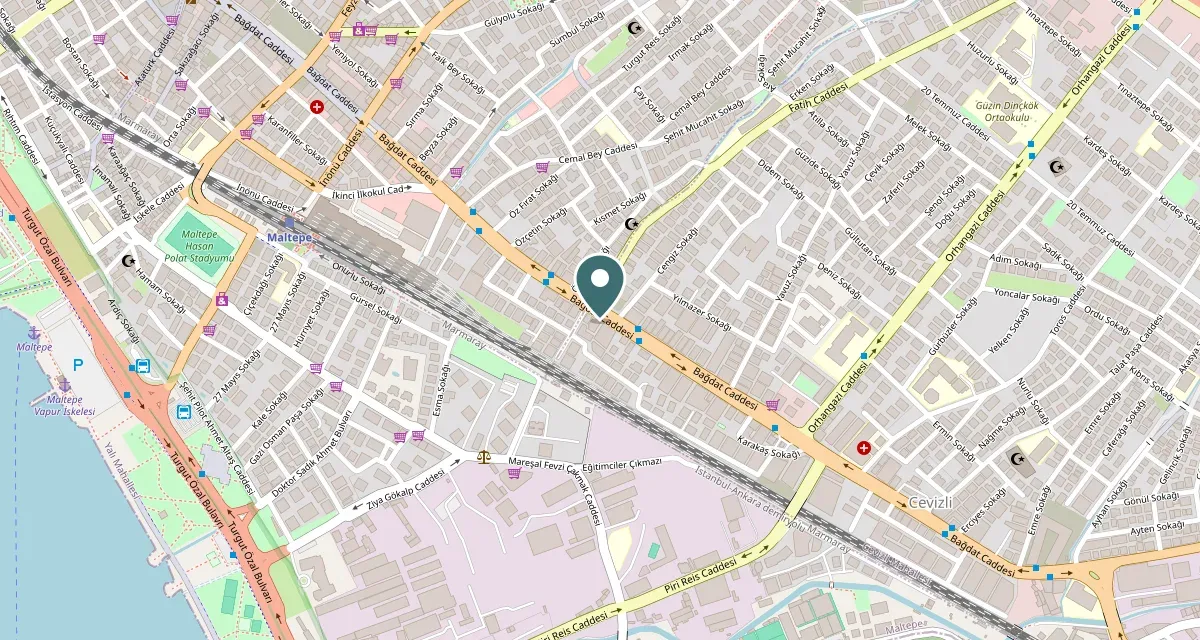
You can fill in the appointment form on this page, call us or send a message on WhatsApp. The clinic is on Bağdat Caddesi in Cevizli, Maltepe, close to Kartal, Küçükyalı and İdealtepe. At the examination we first assess whether your tooth can be saved.