
How does treatment work?
Controlled tooth movement with light, continuous force
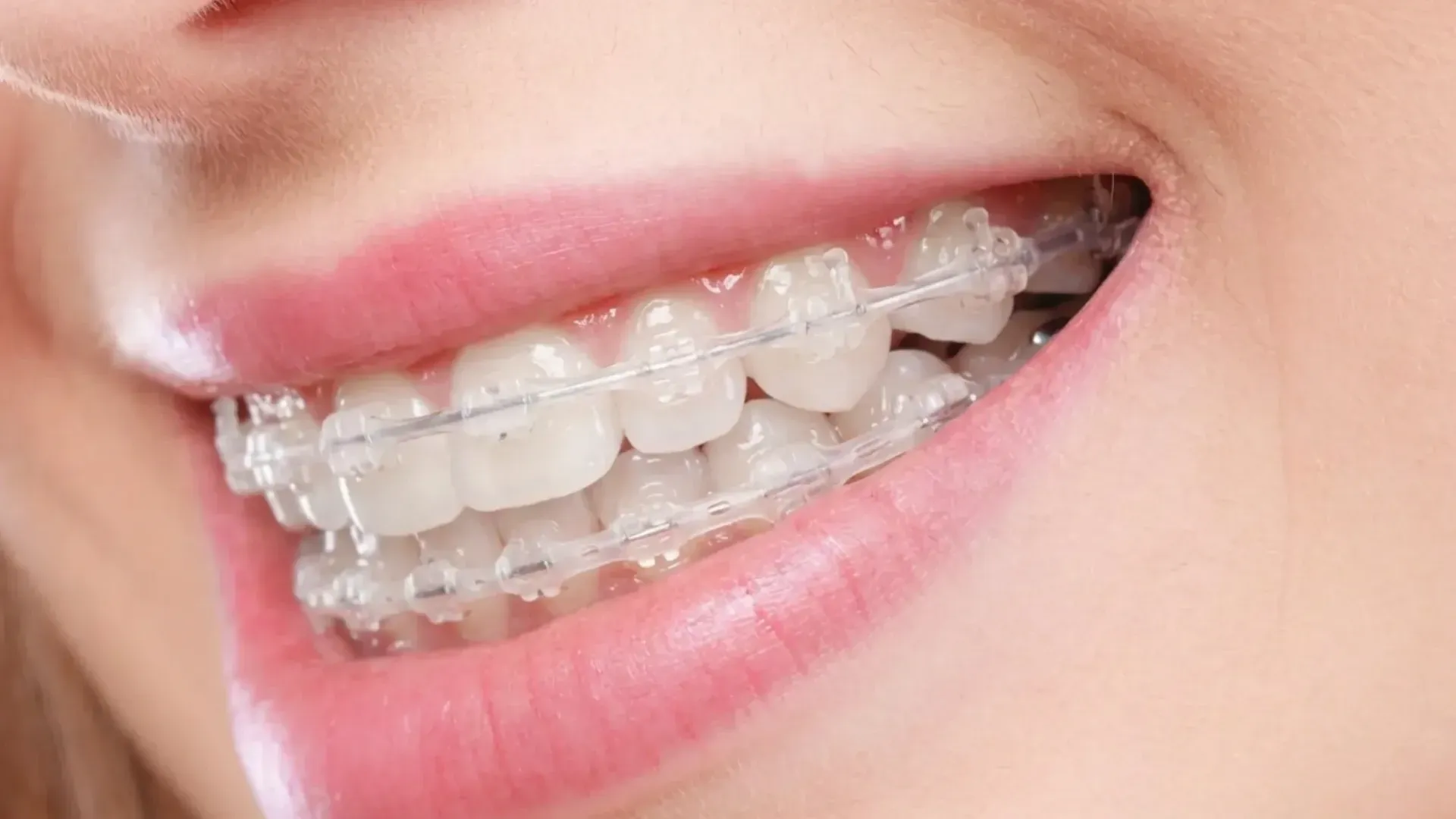
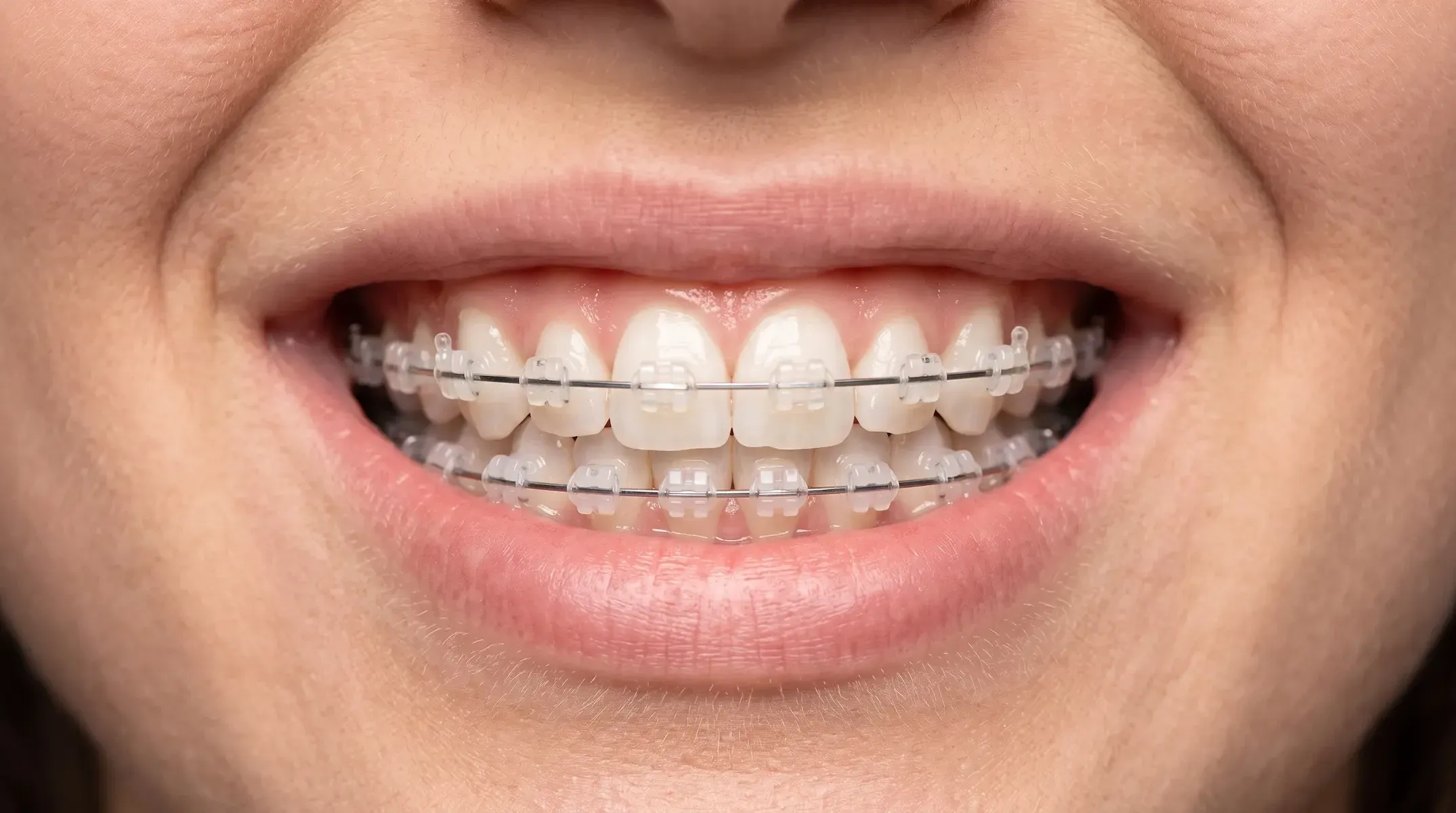
Once the brackets are bonded to the teeth, the wire applies light, continuous force. This force lets the bone around the teeth slowly remodel, and over time the teeth move towards the planned position. The wire is changed or adjusted at check-up appointments.
The aim of braces is not only straighter-looking teeth; it is also for the upper and lower teeth to meet correctly, for chewing to be balanced and for the teeth to be easier to clean.
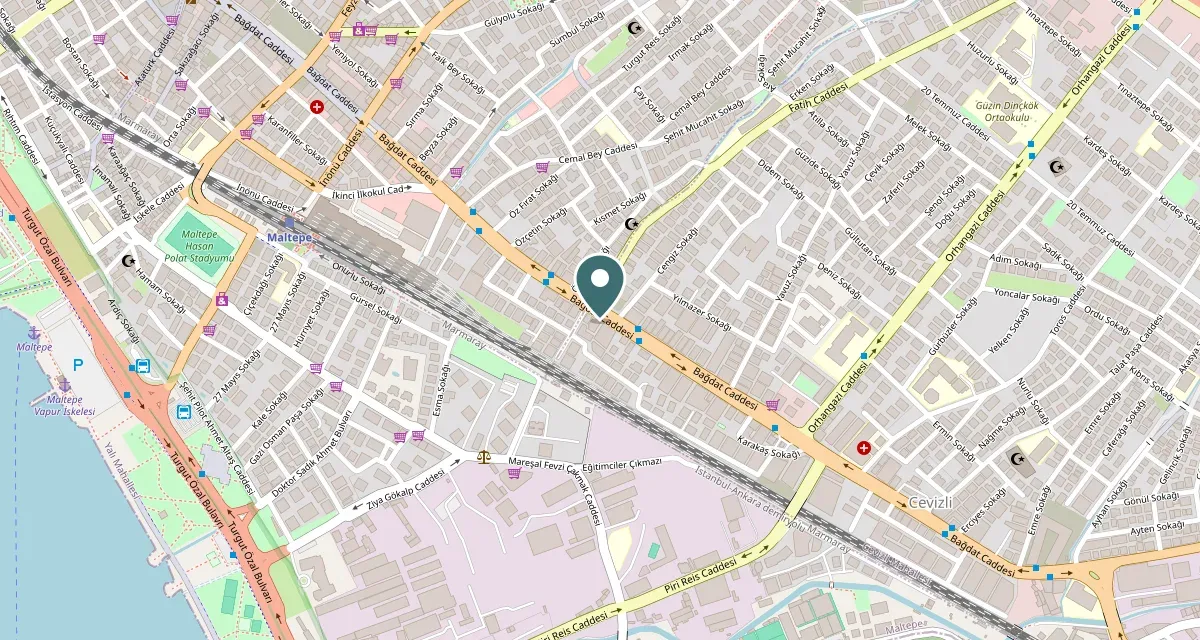
At the clinic in Cevizli, Maltepe, the teeth and jaws are examined before treatment, with an X-ray or 3D scan when needed. In some cases clear aligners may also be an option; both methods are explained to you in terms of duration and daily use.
Who are they for?
When braces are considered
- Crowded or overlapping teeth
- Gaps between teeth (diastema)
- Upper and lower teeth that do not meet correctly (overbite, underbite, crossbite, open bite)
- Children and teenagers whose tooth alignment is being followed as baby teeth are replaced by adult teeth
- Adults with healthy teeth and gums; there is no upper age limit for orthodontic treatment
- Marked problems with jaw development are also addressed in the orthodontic assessment; if jaw surgery under general anaesthetic is needed, you are referred to an appropriate clinician.
How does it work?
The stages of braces treatment
Examination and records
The teeth, bite and jaw relationship are examined; an X-ray or 3D scan is taken if needed, and impressions and photographs are recorded.
Treatment plan
Which teeth will move and how, the estimated duration and check-up intervals are explained; other options are considered where relevant.
Fitting the brackets
The brackets are bonded to the teeth and the first wire is placed. You are shown how to brush, what to eat and how to look after your braces.
Check-ups
The wire is adjusted or changed at set intervals; the progress of the teeth and your oral health are assessed.
Retention
After the brackets are removed, a retainer or a fixed retention wire is used to keep the teeth in their new position.
Frequently asked questions
Questions about Braces
What are braces?
Braces are a fixed orthodontic appliance made up of brackets bonded to the teeth, a wire attached to the brackets and, in some cases, extra parts such as elastics. They stay in the mouth throughout treatment and guide the teeth towards the planned position.
How long does braces treatment take?
It depends on the degree of crowding and bite problem, age, and whether check-ups are attended regularly. Mild cases may take a few months, while more extensive cases can take two years or more. The estimated duration is given after the examination and records.
Does it hurt to have braces fitted?
Bonding the brackets usually does not require local anaesthetic. For a few days after the wire is fitted or adjusted, you may feel pressure and tenderness in the teeth. This is related to the teeth starting to move and is usually temporary.
At what age can children have braces?
There is no single age. A first orthodontic assessment around the age of 7 is recommended, as some problems can be spotted early at this age. Treatment with brackets often starts once most of the adult teeth have come through. Timing depends on the child's tooth and jaw development.
Can adults have braces?
Yes. For adults with healthy teeth and gums there is no upper age limit for orthodontic treatment. In adults, the gums and bone support are assessed carefully before treatment.
Braces or clear aligners?
There are cases where either method is suitable. Braces are fixed and stay in the mouth throughout treatment; clear aligners are removable and need to be worn regularly through the day. How much and how the teeth need to move, your age and your daily habits are considered together to explain the method that suits you.
Do braces affect speech?
In the first days you may notice a slight difference while your lips and cheeks get used to the brackets. Most people adapt quickly, and speech is usually not noticeably affected.
What should I avoid eating with braces?
Hard foods (nuts, roasted chickpeas, ice), sticky foods (caramel, chewing gum) and foods that need big bites can break brackets off or bend the wire. Hard fruit and vegetables such as apples and carrots should be cut into small pieces.
How do I brush my teeth with braces?
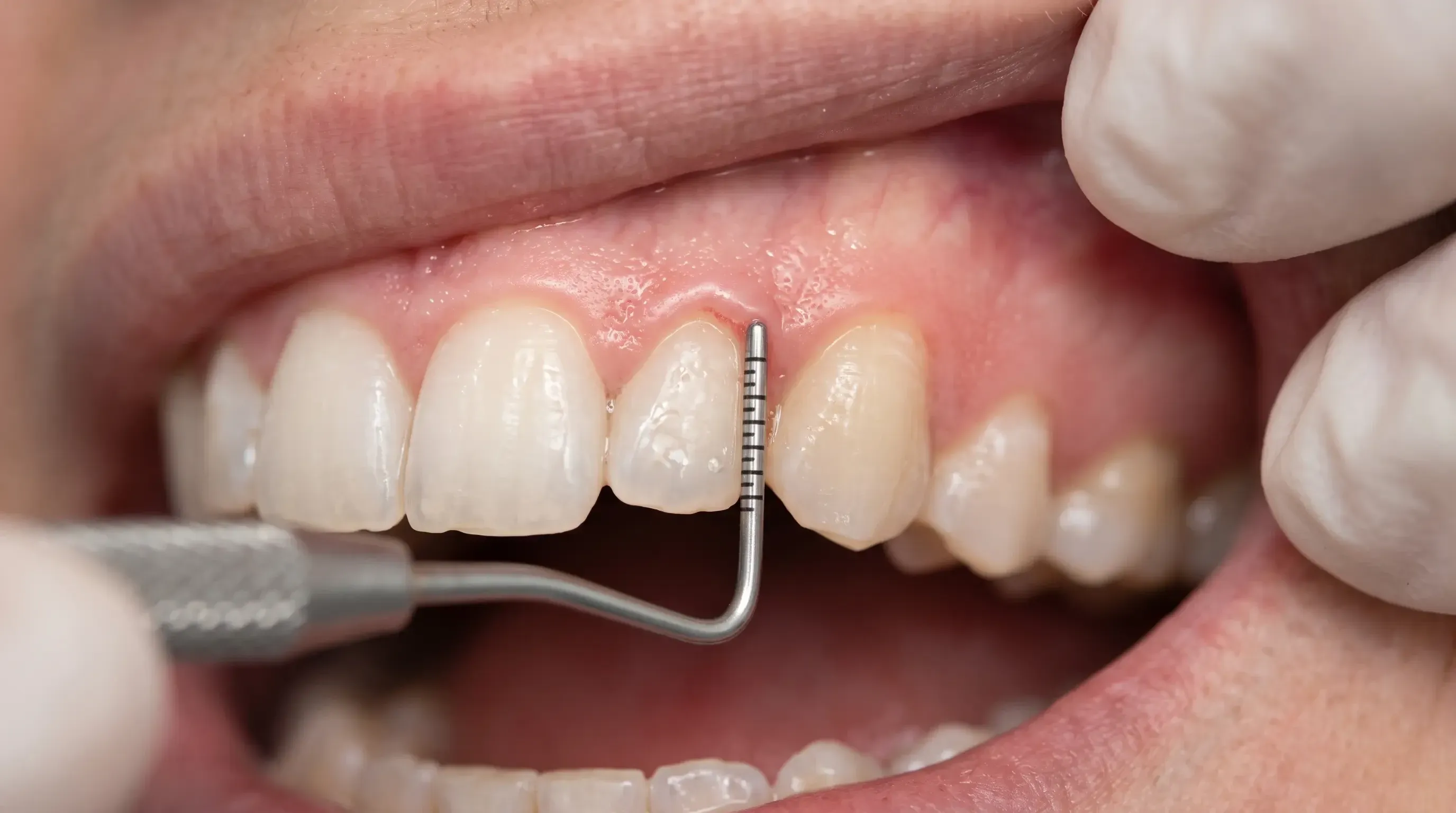
Brushing after every meal is recommended. Brush above and below the brackets and along the gum line separately, and use interdental brushes and floss to clean between the brackets. Brushing is demonstrated to you at the first appointment.
What should I do if a bracket comes off?
Call the clinic and let us know. If the loose bracket is sharp or the wire is rubbing against your cheek, orthodontic wax can be used. Until the bracket is bonded again, treatment may slow down in that area.
How often are check-ups needed?
The interval depends on the stage of treatment; check-ups are usually every few weeks. Missed check-ups can make treatment take longer.
Can braces damage the teeth?
With well-planned and well-monitored treatment, the aim is to move the teeth healthily. The most common problem with braces is plaque building up around the brackets and causing decay and gum inflammation, which is why oral care is an important part of treatment.
Do teeth need to be extracted for braces?
Not in every case. When there is not enough space for the teeth, extraction may be planned in some cases. Whether it is needed is explained, with the reasons, after the records have been reviewed.
Will my teeth move back after braces?
Teeth can tend to move back towards their old position after treatment. This is why a retainer, or a thin retention wire bonded to the back of the teeth, is used after the brackets are removed. Your dentist decides how long it is used.
Can I play sports with braces?
Yes. A mouthguard is recommended for contact sports and ball games; ask your dentist about a mouthguard suitable for braces.
Can braces be fitted on teeth with fillings or crowns?
Usually, yes. Different bonding methods are used for crowns and some filling surfaces. Implants are fixed in the bone and cannot be moved with orthodontics, so treatment is planned accordingly.
What does the cost of braces depend on?
The cost depends on the length of treatment, the type of brackets, the scope of the case and the number of check-ups. Cost information is therefore given after the examination and treatment plan.
How can I book an examination for braces in Maltepe?
You can fill in the appointment form on this page, call us or send a message on WhatsApp. The clinic is on Bağdat Caddesi in Cevizli, Maltepe, close to Kartal, Küçükyalı and İdealtepe. At the first examination your teeth are assessed and the options that suit you are explained.