
Treatment approach
Strength and appearance are planned together
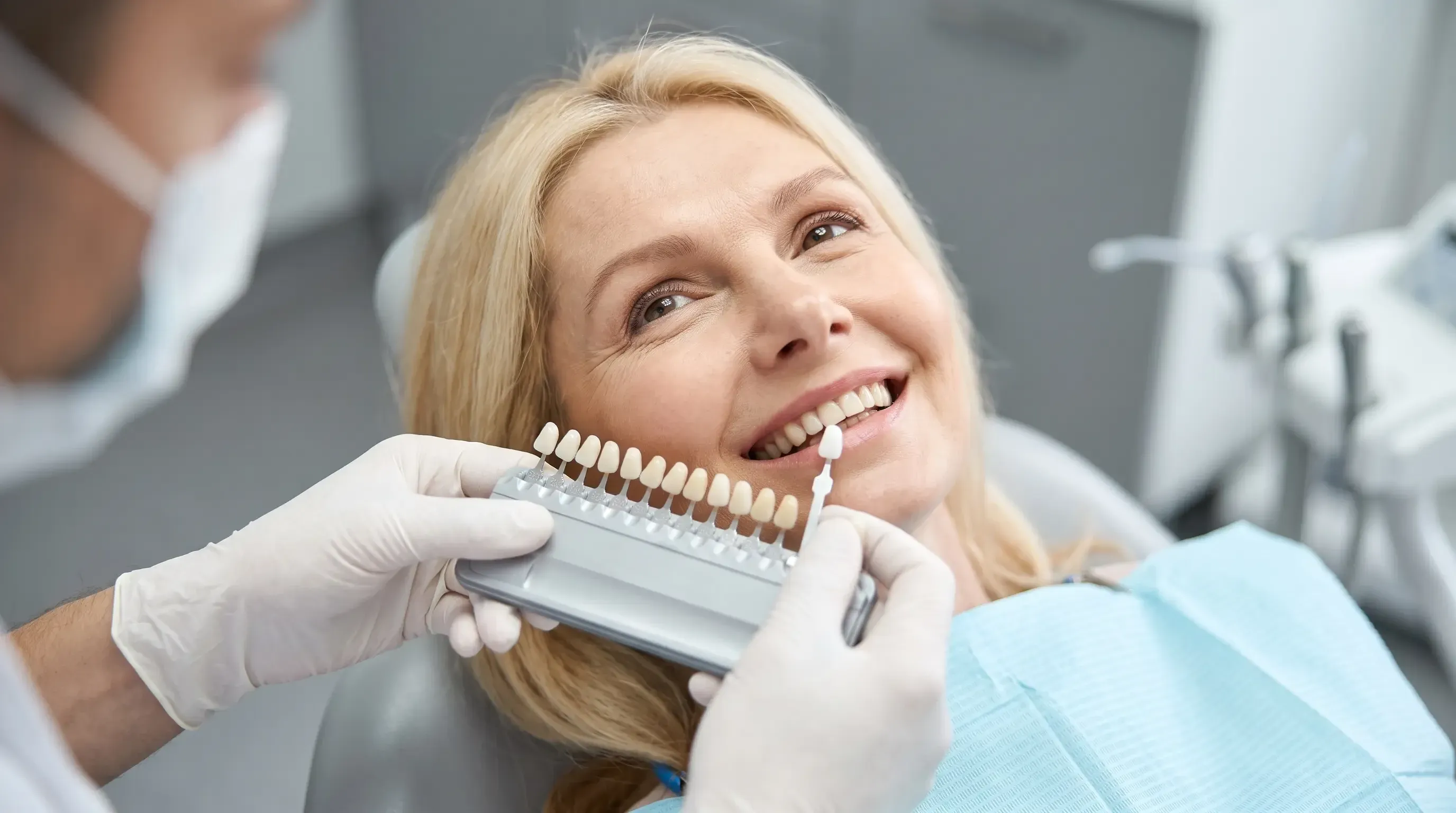
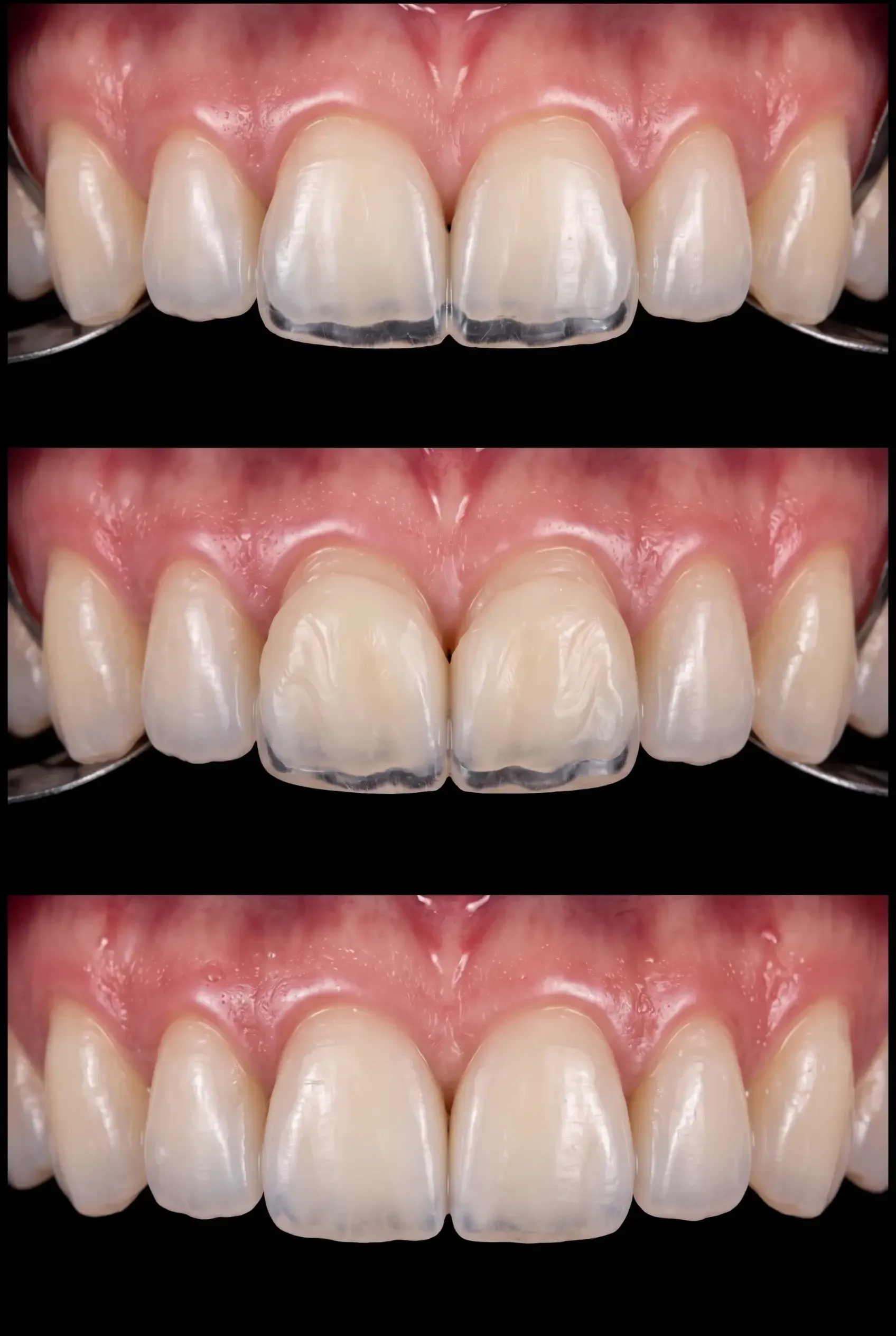
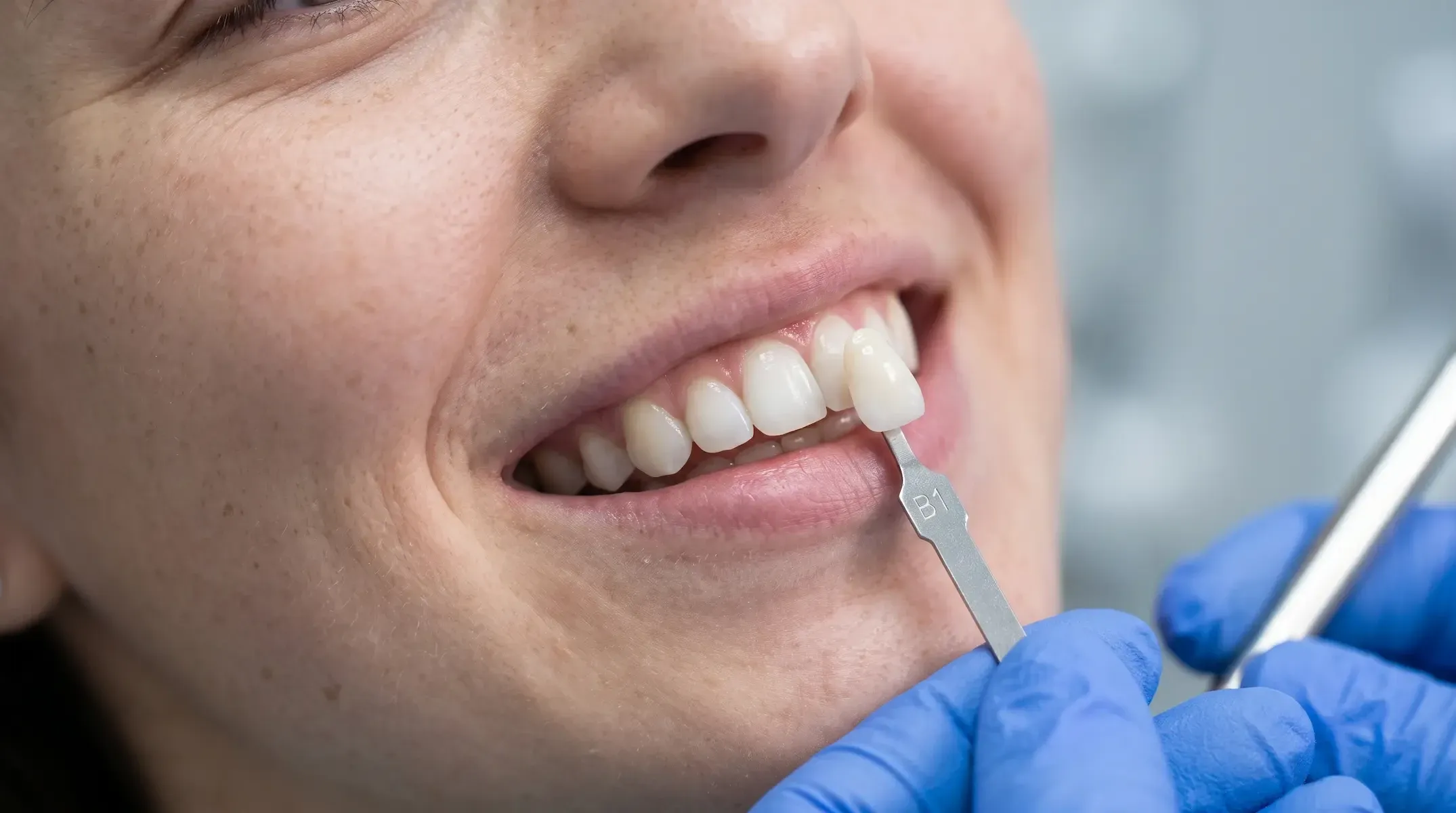
For a zirconia crown, the tooth is reduced on all sides by the thickness the crown needs, and an impression is taken. The crown is made to this impression and bonded to the tooth. Because zirconia lets some light through, the shade is chosen to match the neighbouring teeth.
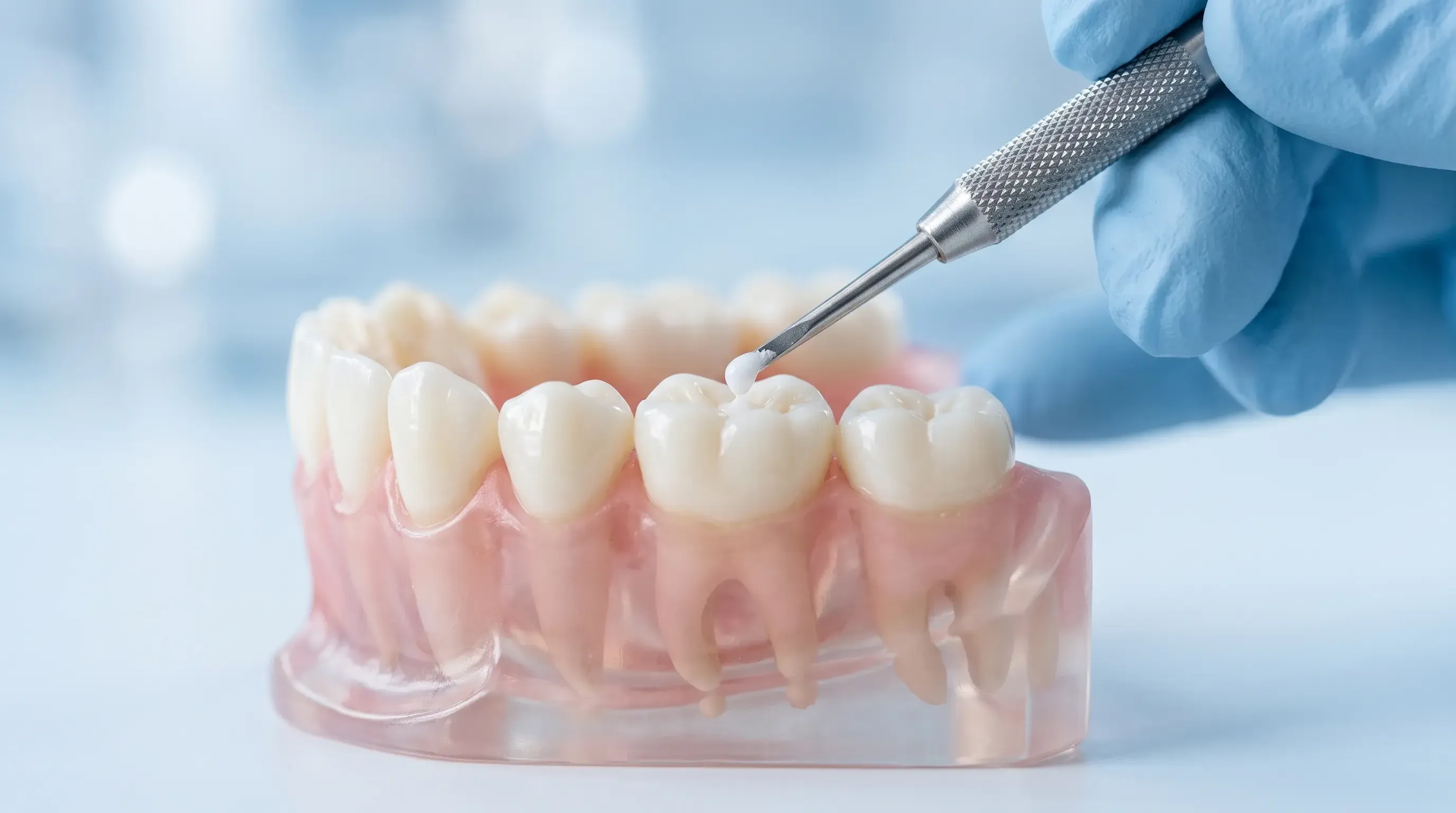
Not every tooth needs a crown. If the loss is small, a filling or bonding may be enough; if only a cosmetic change to the front surface is wanted, a veneer can be made with less tooth tissue removed. The options are explained along with how much of the tooth can be preserved.
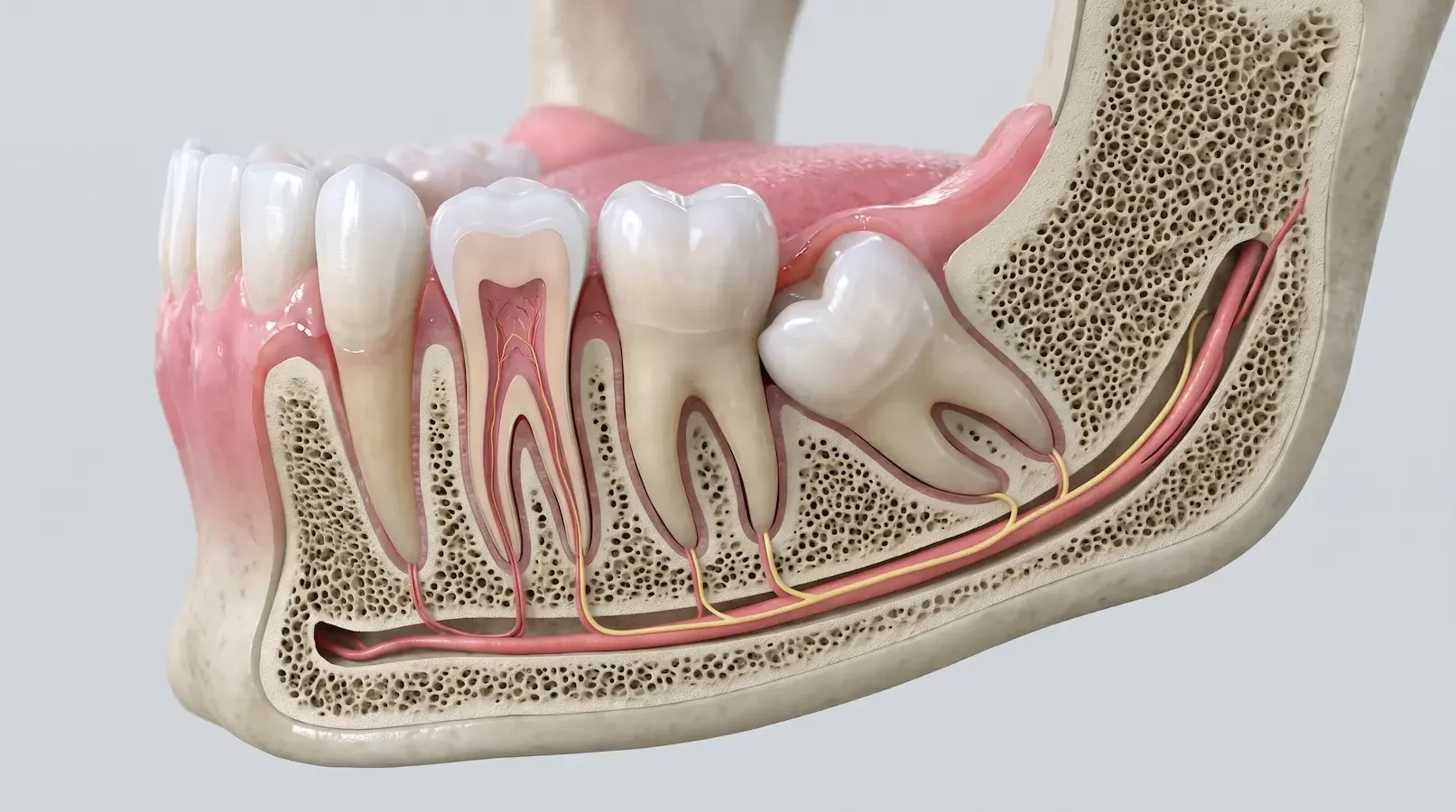
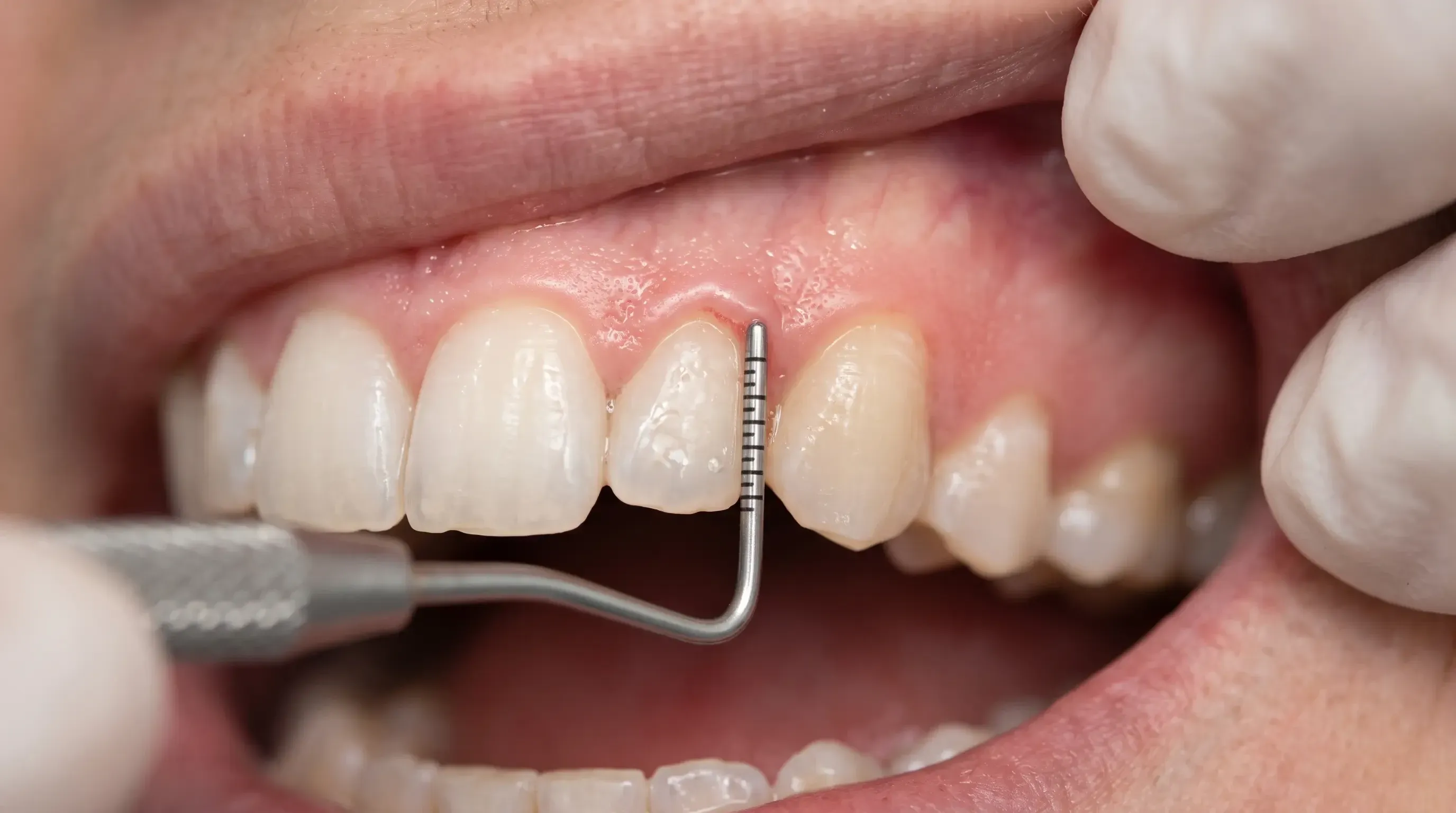
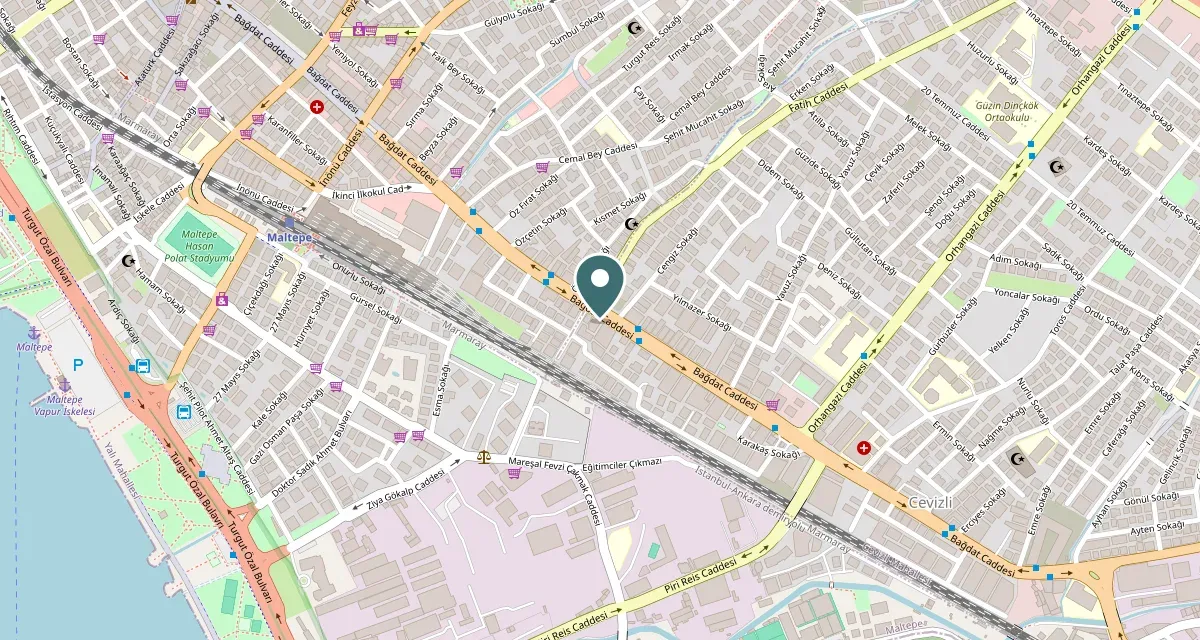
At the clinic in Cevizli, Maltepe, the health of the teeth and gums, the bite and, if needed, the roots are assessed with an X-ray or 3D scan before a crown is made.
When is it considered?
When zirconia crowns are considered
- Teeth weakened by large fillings or decay
- Broken or worn teeth
- Teeth that need strengthening after root canal treatment
- Colour and shape problems that cannot be corrected with fillings or whitening
- Replacing a missing tooth with a bridge supported by the neighbouring teeth
- Crowns on implants
How does it work?
The stages of a zirconia crown
Examination and planning
The teeth, gums and bite are assessed; an X-ray or scan is taken if needed. The options and stages are explained.
Preparing the teeth
Under local anaesthetic the teeth are reduced by the thickness of the crown. The shade is chosen and an impression is taken.
Temporary crown
The teeth are protected with temporary crowns until the permanent crowns are ready.
Try-in and bonding
The crowns are tried in the mouth; fit, shade and bite are checked, and then they are bonded permanently.
Check-up
The bite and the fit at the gum line are assessed at a check-up appointment, and care advice is given.
Frequently asked questions
Questions about Zirconia crowns
What is a zirconia crown?
A zirconia crown is a crown or bridge made from a zirconium oxide-based material that covers the whole tooth. It has no metal framework. It is used to protect weakened teeth, correct shape and colour problems and replace missing teeth with a bridge.
What is the difference between zirconia and porcelain crowns?
A traditional porcelain crown has a metal framework covered with porcelain. Zirconia has no metal framework, so the way it lets light through is closer to a natural tooth and there is no metal-related grey look at the gum line. Which material suits you depends on the position of the tooth, the bite and your expectations.
What is the difference between a zirconia crown and a veneer?
A veneer is a thin shell bonded only to the front surface of the tooth, and less tooth tissue is removed. A zirconia crown covers the whole tooth. If the tooth has a large loss or is weak, a crown is considered; if only a cosmetic change to the front surface is wanted, a veneer is considered.
How much is the tooth reduced for a zirconia crown?
The tooth is reduced on all sides by the thickness the crown needs to be durable. This amount varies with the position of the tooth and the material used. The aim is to remove only as much tooth tissue as necessary.
Does the procedure hurt?
The teeth are prepared under local anaesthetic. In the days afterwards you may feel temporary sensitivity to cold and heat. If pain lasts or gets worse, contact the clinic.
How many appointments does a zirconia crown take?
It is usually completed in a few appointments: preparing the teeth and taking impressions, a try-in, and bonding. The number of appointments depends on how many teeth are treated and whether other treatment is needed.
What should I be careful about with a temporary crown?
Temporary crowns are not as strong as permanent ones. Avoid hard and sticky foods, and pull floss out sideways rather than upwards. If a temporary crown comes off, call the clinic.
How long does a zirconia crown last?
Lifespan depends on oral care, clenching and grinding habits, the bite and regular check-ups. When the tooth and gums under the crown are kept healthy, the aim is for it to be used for many years. It would not be accurate to give an exact period.
Does a zirconia crown change colour?
The zirconia surface resists discolouration. However, over time a colour difference can appear at the edge of the crown or in the neighbouring natural teeth. Tea, coffee and smoking affect the colour of natural teeth.
Can a root-canal-treated tooth have a zirconia crown?
Yes. Because root-canal-treated teeth can become brittle over time, strengthening them with a crown is often recommended. If needed, a post is placed in the tooth before the crown.
Can a crowned tooth get decay?
The crown itself cannot decay, but decay can form where the crown meets the tooth at the gum line. This is why regular brushing, flossing, interdental brushes and check-ups are important.
Can people who clench their teeth have zirconia crowns?
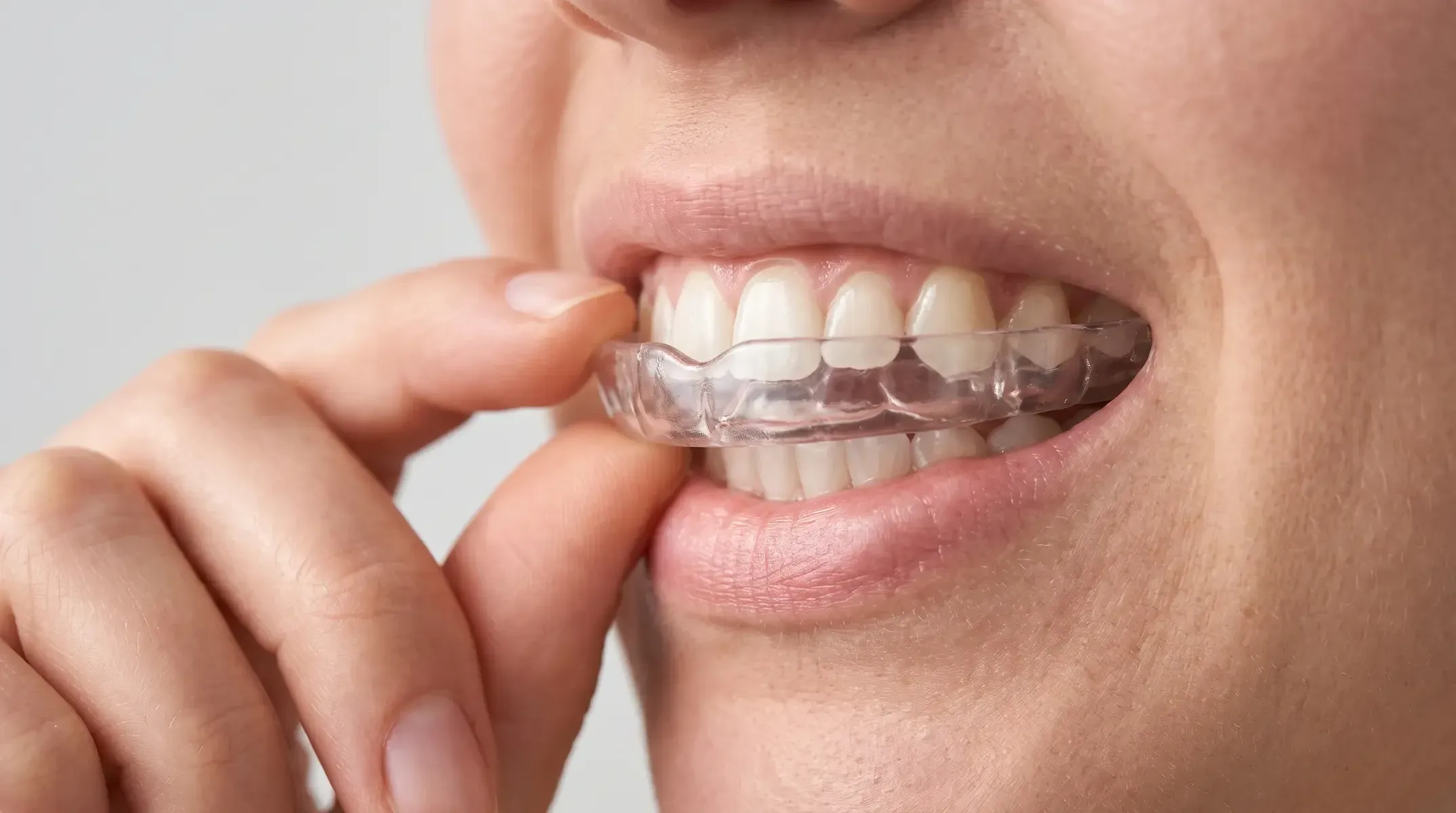
Yes, but clenching and grinding increase the risk of crowns breaking or wearing. In this case a night guard may be recommended.
Can zirconia crowns cause allergies?
Zirconia is a biocompatible material and contains no metal. If you have a known allergy, please mention it at the examination.
What is a zirconia bridge?
It is a zirconia restoration that replaces a missing tooth: the neighbouring teeth are reduced and used as supports, and the gap is filled with an artificial tooth. Replacement with an implant and other options are also explained at the examination.
What should I be careful about after getting a crown?
Follow your dentist's advice for the first hours after bonding, and avoid habits such as opening bottles with your teeth or biting your nails. Regular brushing, flossing and check-ups are important for the health of the crown and the tooth beneath it.
What does the cost of zirconia crowns depend on?
The cost depends on the number of teeth, whether other treatment is needed (root canal treatment, fillings, gum treatment) and the type of restoration planned. Cost information is therefore given after the examination.
How can I book an examination for zirconia crowns in Maltepe?
You can fill in the appointment form on this page, call us or send a message on WhatsApp. The clinic is on Bağdat Caddesi in Cevizli, Maltepe, close to Kartal, Küçükyalı and İdealtepe. At the first examination your teeth are assessed and the crown options are explained.