
Our approach
The child's comfort and the family's understanding come first
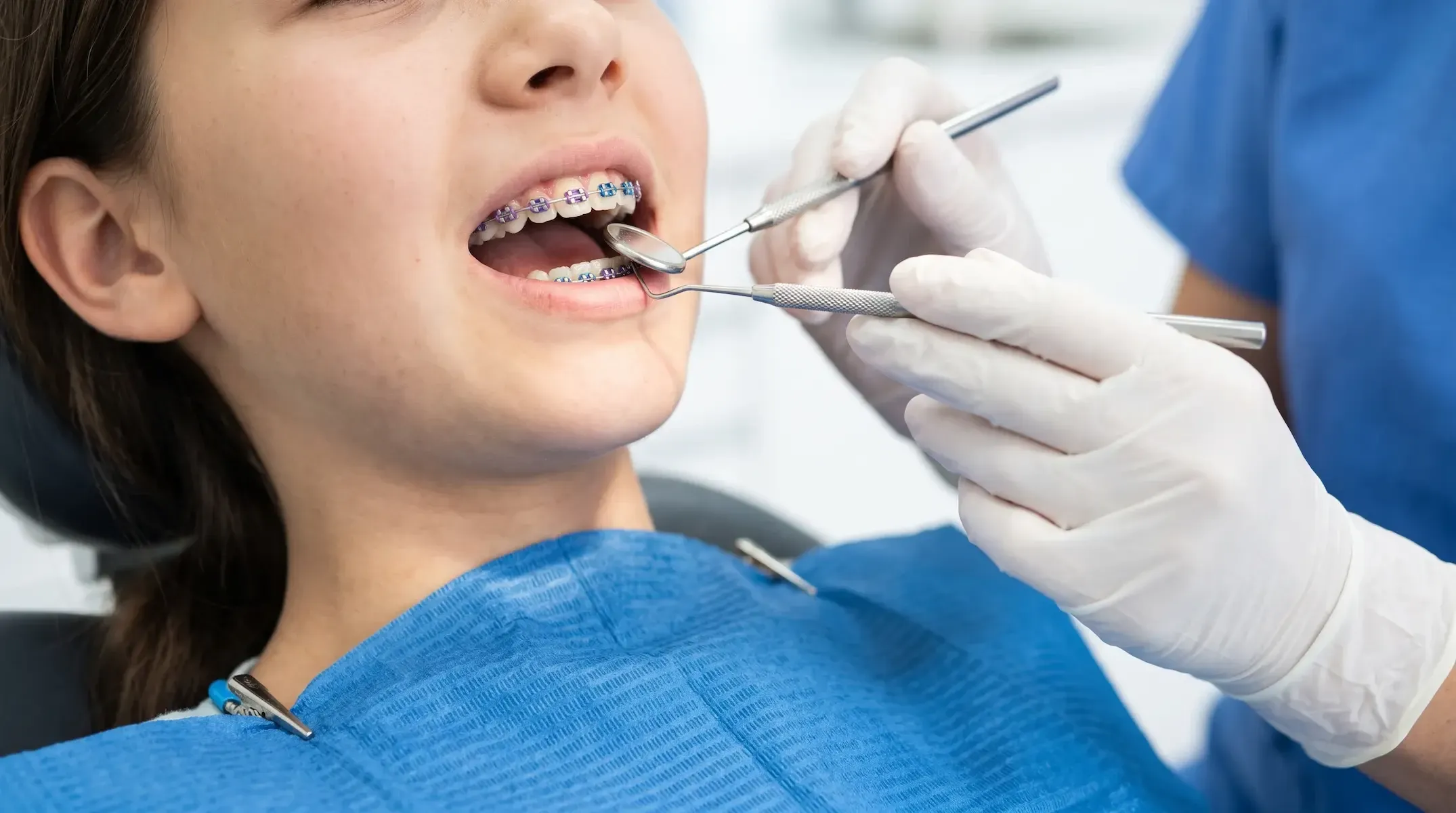
Examinations take place in a calm setting where the child feels safe, together with the family. The teeth, daily care habits and dental development are assessed.
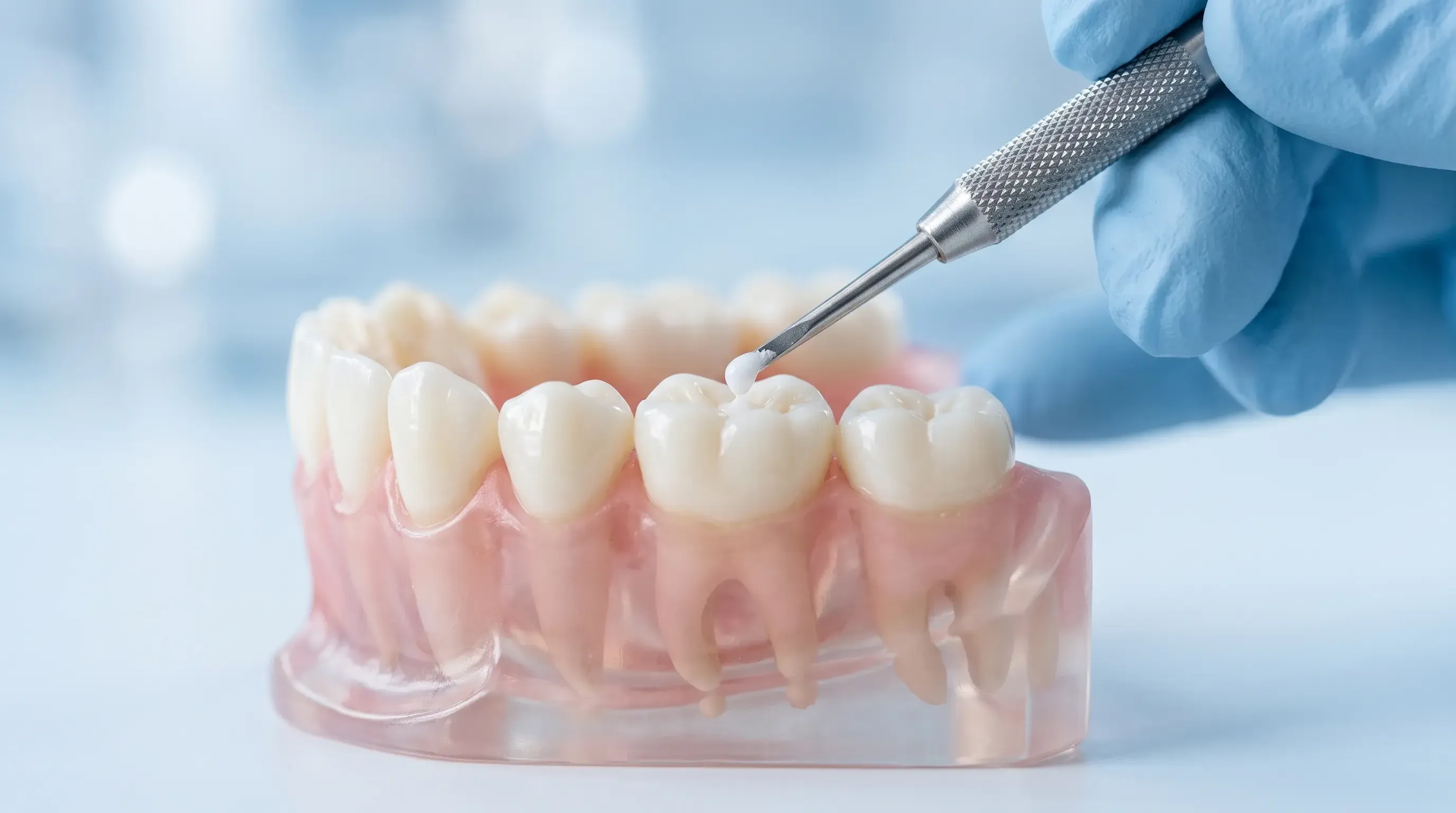
When needed, fillings and other treatment of baby teeth are planned and the options are explained clearly to the family. If tooth or jaw development needs attention, an orthodontic assessment is recommended.
For parents
Your child's dental health, age by age
0-2 years: first teeth
The first baby tooth usually appears around 6 months. From then on, brush twice a day with a soft brush and a rice-grain smear of fluoride toothpaste. Avoid night-time bottles with anything other than water. The first dental visit is best after the first tooth appears or around the first birthday.
3-5 years: baby teeth
A pea-sized amount of toothpaste is enough. At this age a parent should brush or finish brushing. Limit sugary snacks and drinks between meals. Check-ups every six months and fluoride varnish when needed help prevent decay.
6-12 years: adult teeth arrive
The first adult molars come through behind the baby teeth around age 6 and often go unnoticed. Fissure sealants for their deep grooves are considered at this stage. An orthodontic check is recommended around age 7. Children who play sports can use a mouthguard.
12 years and older
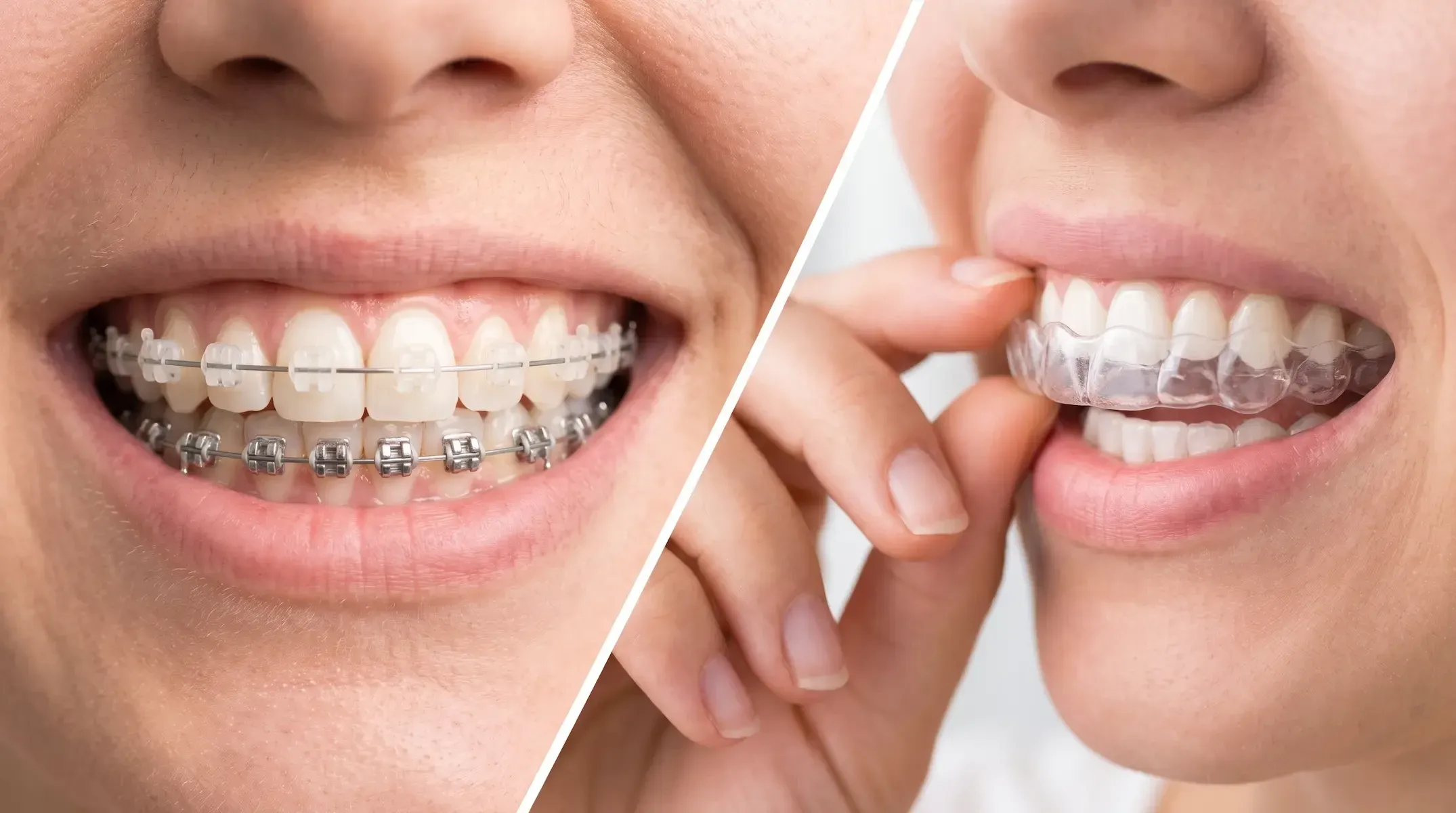
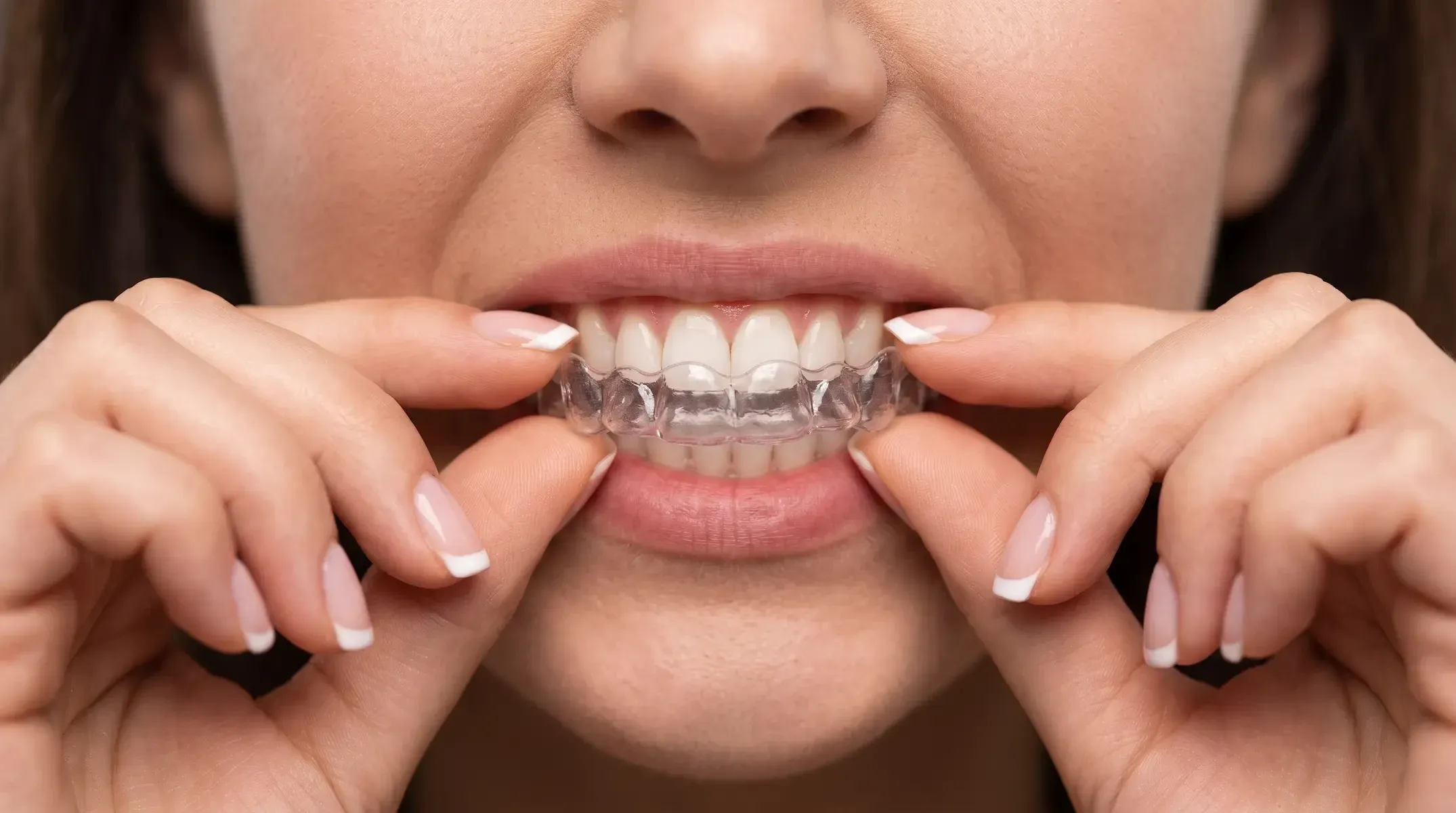
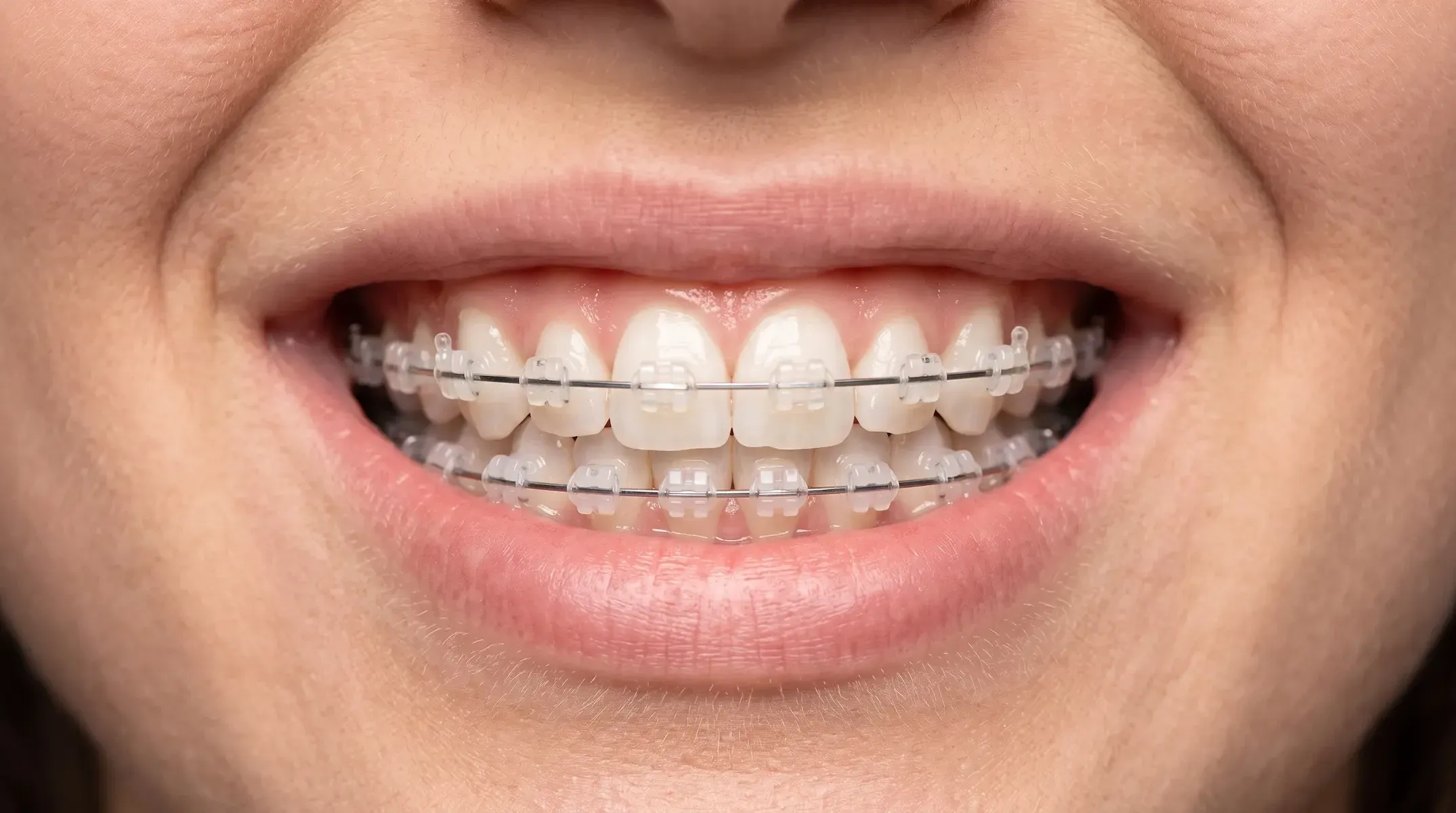
Most adult teeth are in; wisdom teeth come later. This is the time to build a flossing habit. Acidic and sugary drinks (cola, energy drinks) can wear down enamel. If teeth are crowded, braces or clear aligners can be considered.
Preparing for the first visit
- Describe the visit as an ordinary check-up, not something scary.
- Use calm, positive words instead of "it won't hurt" or "don't be afraid".
- Try to book a time when your child is rested and not hungry.
- Bring a list of any medicines and important health information.
- You can stay with your child during the examination.
- Treatment under general anaesthesia is not provided at the clinic; treatment is done under local anaesthetic.
What it aims for
What children's dental care aims for
- Spotting and preventing decay early.
- Preventive care such as fissure sealants and fluoride, planned as needed.
- Following tooth and jaw development with regular check-ups.
- Teaching good oral care habits to the child and family.
How it works
The main stages
Getting to know each other
The child's teeth and mouth are assessed together with the family.
Prevention and treatment
Preventive care and any treatment needed are planned.
Development follow-up
Development is monitored with regular check-ups; an orthodontic assessment is recommended if needed.
Frequently asked questions
Questions about Children's dentistry
When should my child have their first dental check-up?
A first check-up is recommended after the first tooth comes through, or by around one year of age at the latest. An early check-up helps prevent decay and helps the child get used to the dentist.
Baby teeth fall out anyway. Do they need treatment?
Yes. Baby teeth are important for chewing, speech and keeping space for the adult teeth. Untreated decay can cause pain, infection and effects on the adult teeth.
Are baby teeth filled?
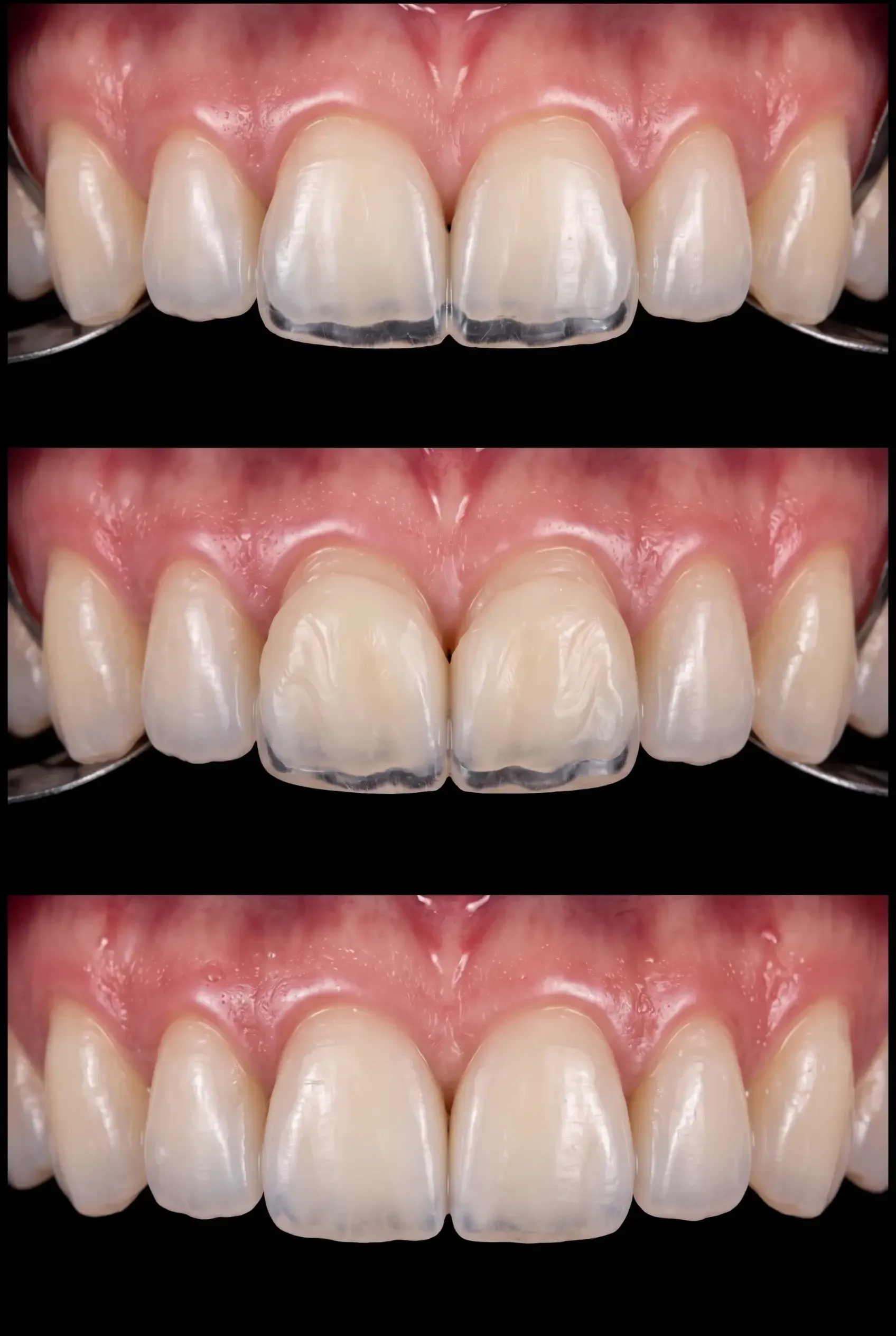
Yes. Decay in baby teeth can be cleaned and filled. If the decay has progressed, other treatments can be planned to keep the tooth until it is due to fall out.
What are fissure sealants?
A fissure sealant is a thin protective layer applied to the deep grooves on the chewing surfaces of the back teeth. It aims to lower the risk of decay by reducing the build-up of food and bacteria in these grooves. No drilling is involved.
What is fluoride treatment, and is it harmful?
Fluoride treatment is a protective varnish or gel applied to the teeth to strengthen the enamel and reduce the risk of decay. It is applied by the dentist in a suitable dose; how often depends on the child's risk of decay.
When should I start brushing my child's teeth?
Teeth should be cleaned with a soft brush from the moment the first tooth comes through. The amount of fluoride toothpaste depends on the child's age: a smear the size of a grain of rice for young children, and a pea-sized amount for older children.
What is bottle decay?
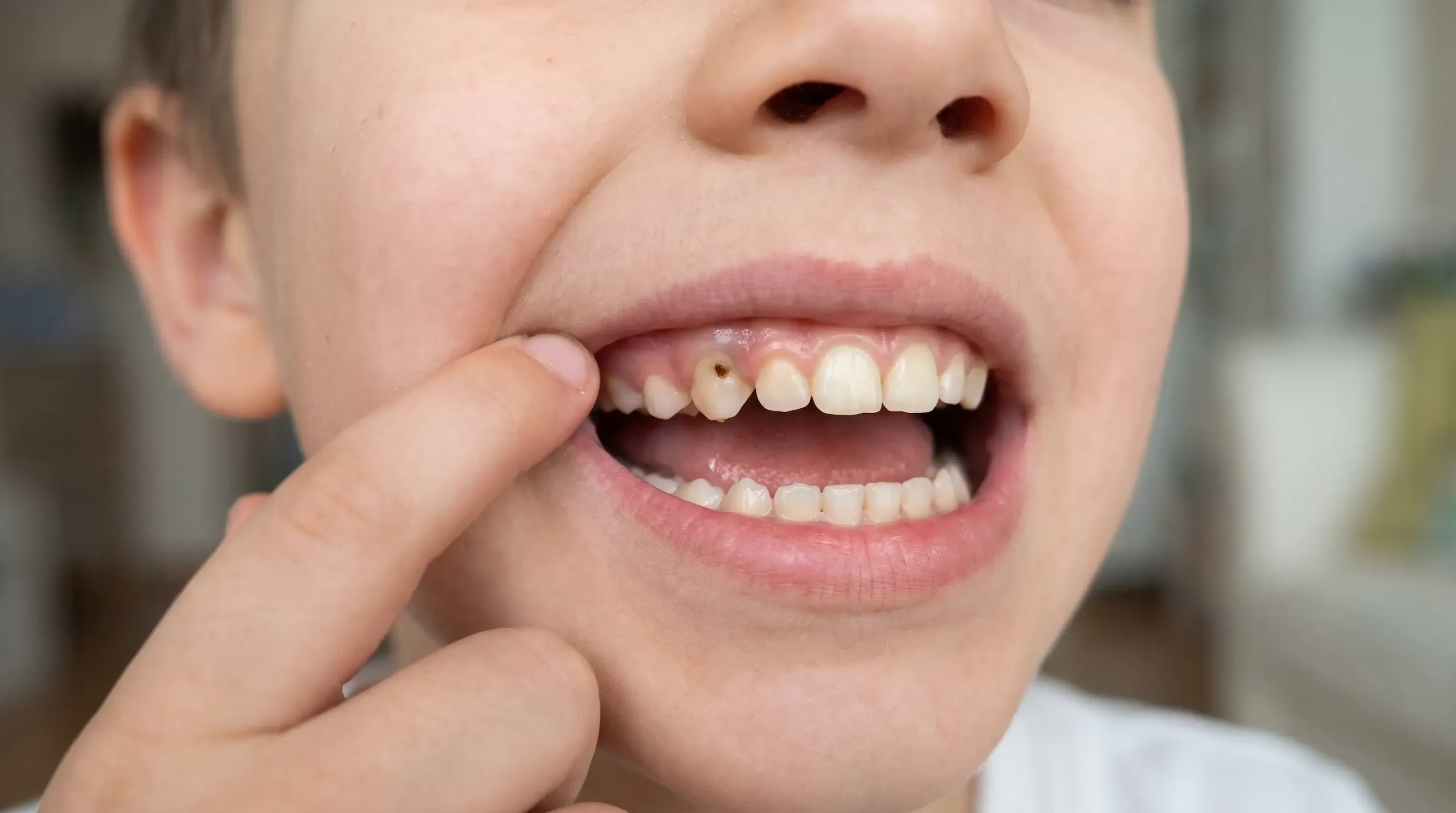
It is decay that progresses quickly, especially in the upper front baby teeth, as a result of giving milk, fruit juice or sugary drinks in a bottle at night. It is recommended not to give anything other than water in a bottle at night.
Do thumb sucking and dummies affect the teeth?
Long-term thumb sucking and dummy use can affect the development of the teeth and jaws. If the habit continues, having it assessed at an examination is recommended.
What happens if a baby tooth is lost early?
If a baby tooth is lost early, the neighbouring teeth can drift into the gap and the space needed for the adult tooth can shrink. In some cases a space maintainer may be recommended.
My child is afraid of the dentist. What can I do?
Using positive, calm language before the visit and avoiding frightening words helps. At the examination, what will happen is explained to the child in a way they can understand, and the first visits are kept as focused on getting to know each other and check-ups as possible.
Is children's dental treatment done under general anaesthetic?
No. Treatment under general anaesthetic is not done at the clinic; treatment is done with local anaesthetic. Where we think general anaesthetic is needed, we refer you to a centre that provides this service.
My child's teeth are crowded. When should we see an orthodontist?
A first orthodontic assessment around the age of 7 is recommended. Some jaw development problems can be spotted and followed at this age. Details are on the braces and orthodontics pages.
What should I do if my child has knocked a tooth?
After a knock, a tooth may be chipped, loose, moved or discoloured. Even without symptoms, an examination is recommended. If an adult tooth has been knocked out, keep it in milk and see a dentist immediately; baby teeth are not put back.
How often should children have dental check-ups?
For most children a check-up every six months is recommended. Children with a higher risk of decay may need shorter intervals.
How can I book a children's dental check-up in Maltepe?
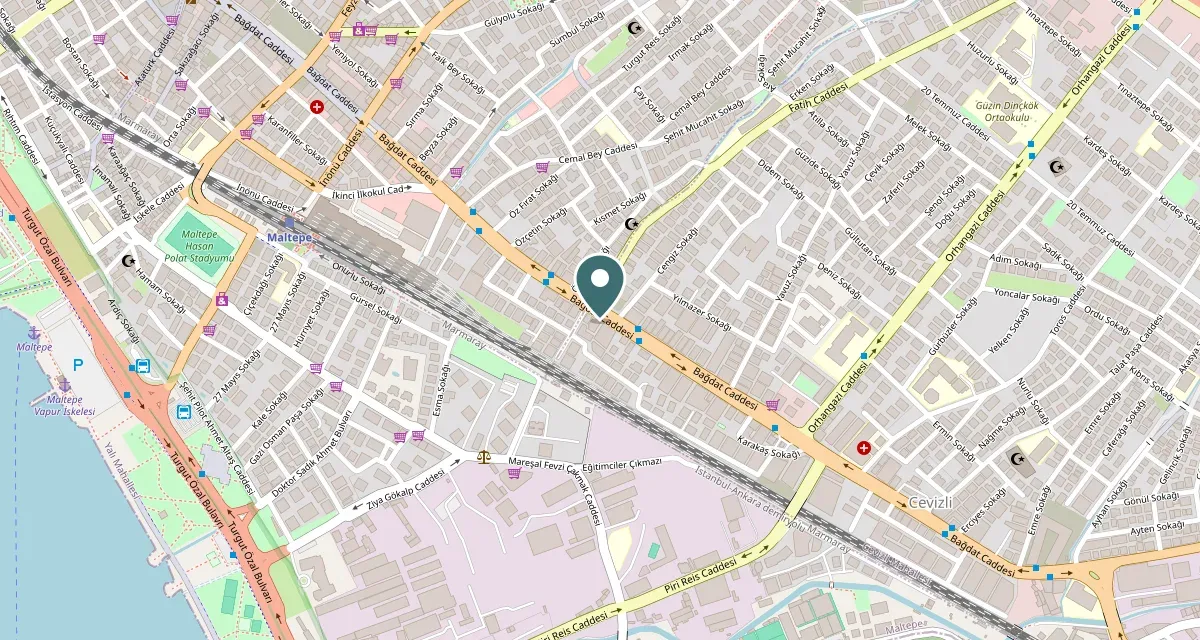
You can fill in the appointment form on this page, call us or send a message on WhatsApp. The clinic is on Bağdat Caddesi in Cevizli, Maltepe, close to Kartal, Küçükyalı and İdealtepe.