
Treatment approach
Protecting the teeth and understanding the cause
At the examination, signs of wear, fractures or cracks in the teeth, the jaw joint and the chewing muscles are assessed. Information such as jaw tiredness in the morning, headaches or grinding sounds heard by a partner is also important.
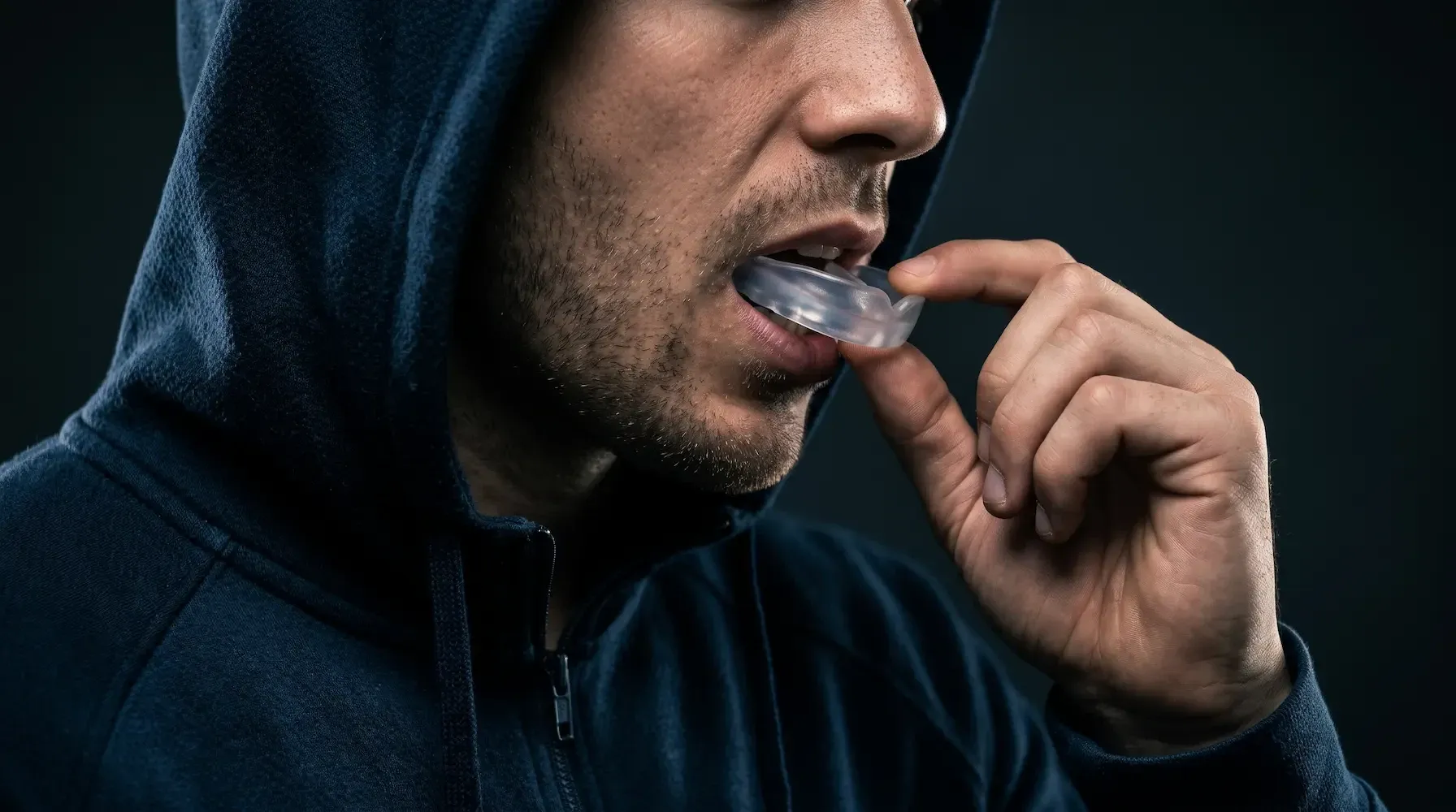
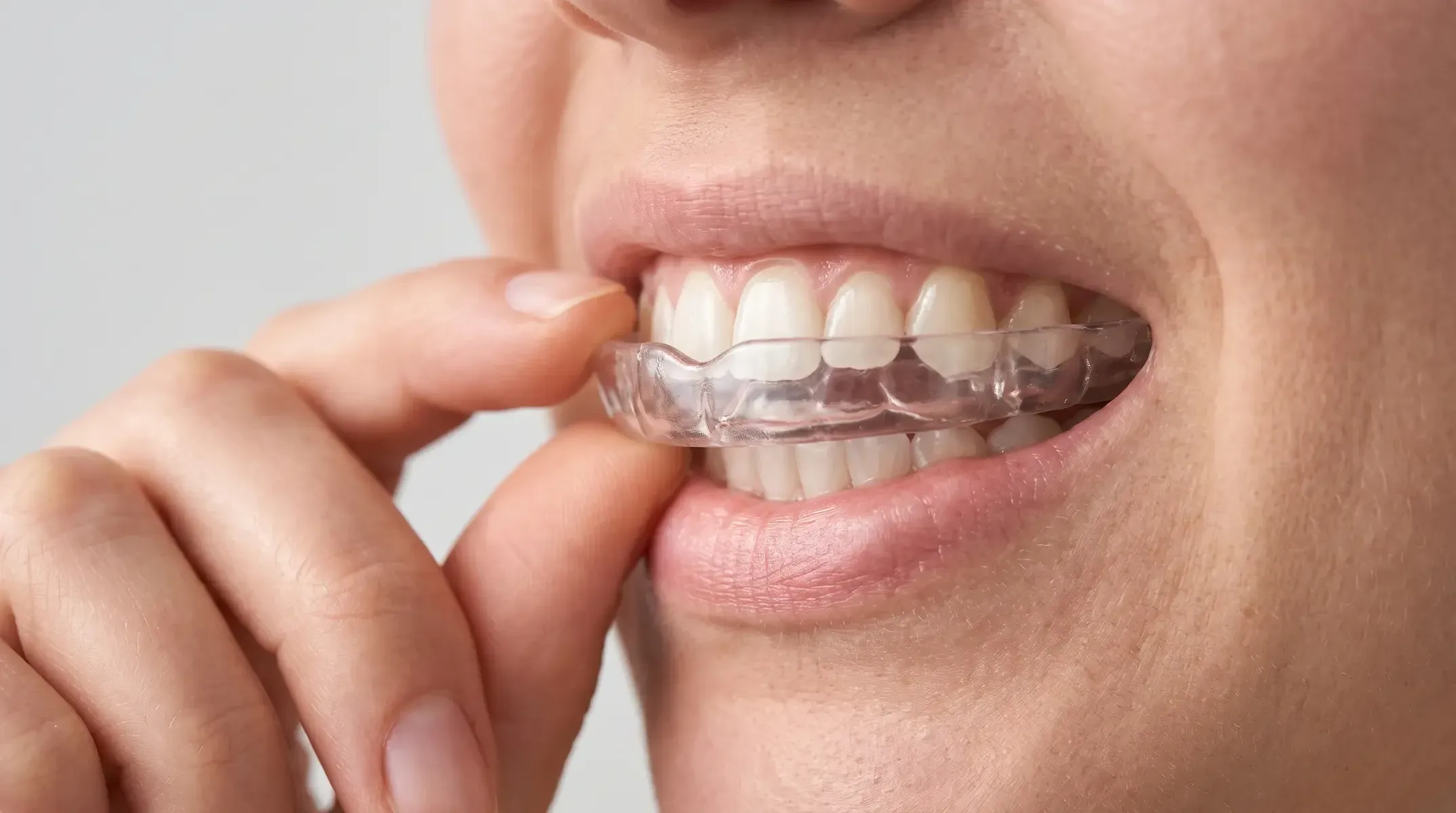
A night guard aims to protect the teeth and restorations by stopping the teeth from rubbing directly against each other. It is made from impressions of your teeth, tried in the mouth and adjusted to your bite.
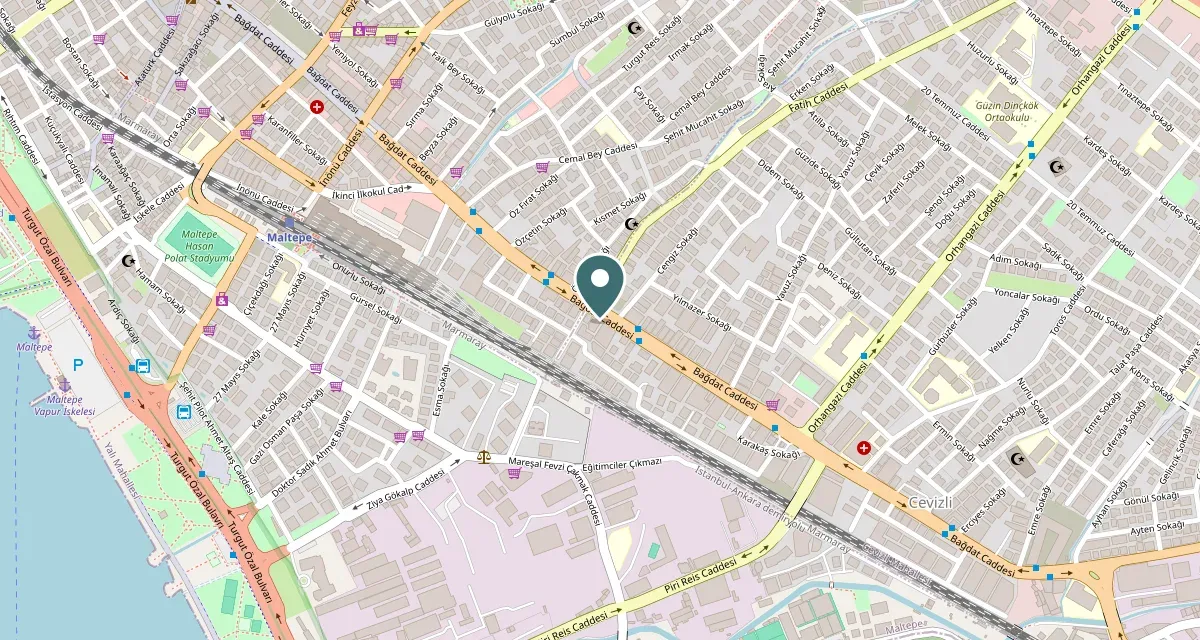
Clenching can have different causes, such as stress, sleep patterns and some medicines. Where needed, an assessment by an appropriate doctor is recommended. At the clinic in Cevizli, Maltepe, use of the night guard is followed up at check-up appointments.
Symptoms
Signs of clenching and grinding
- Flattened or worn teeth, or chipped edges
- Pain and tiredness in the jaw, face or temples in the morning
- Clicking in the jaw joint, or difficulty opening the mouth
- Teeth sensitive to cold
- Broken fillings and crowns
- Grinding sounds heard by a partner
How does it work?
The stages of making a night guard
Examination
Tooth wear, the jaw joint and the muscles are assessed; we listen to your concerns.
Impressions
Impressions of the upper and lower teeth are taken and the bite is recorded.
Fitting and adjustment
The guard is tried in and adjusted to your bite; putting it in, taking it out and cleaning it are explained.
Check-up
The fit of the guard and how your symptoms are progressing are assessed at check-up appointments.
Frequently asked questions
Questions about Teeth clenching and grinding (night guard)
What is teeth clenching and grinding (bruxism)?
Bruxism is pressing the teeth together (clenching) or rubbing them against each other (grinding) without realising it. It can happen during sleep or during the day.
How do I know if I clench my teeth?
Tiredness or pain in the jaw and face muscles when you wake up, headaches around the temples, worn and sensitive teeth, and grinding sounds heard by a partner are important signs. Signs of wear on the teeth are assessed at the examination.
What causes teeth clenching?
Stress and anxiety, sleep problems, some medicines, caffeine, alcohol and smoking are factors linked with clenching. Often several factors play a part together.
What is a night guard?
A night guard is an appliance worn over the teeth during sleep and made from impressions of your teeth. It aims to protect the teeth and restorations by stopping them from rubbing directly against each other.
Does a night guard stop clenching completely?
A guard usually does not stop the clenching itself; its purpose is to protect the teeth and restorations against wear and fractures. In some people it can also help reduce muscle pain.
What is the difference between an off-the-shelf guard and a custom-made one?
A custom-made guard is made from impressions of your teeth and adjusted to your bite, so it fits the teeth closely. Off-the-shelf guards may not fit the teeth properly and can affect the bite; ask your dentist before using one.
Should a night guard be worn every night?
It is usually recommended to wear it every night while sleeping. Your dentist will set the routine that suits you.
How do I clean a night guard?
After taking it out in the morning, rinse it with cold or lukewarm water and clean it gently with a soft brush. Hot water can change its shape. Let it dry and keep it in its case.
How long does a night guard last?
Guards can wear or crack over time. Their condition is assessed at check-ups, and they are replaced when needed.
Can clenching cause jaw joint pain?
Clenching can cause pain in the chewing muscles and the jaw joint, difficulty opening the mouth and clicking in the joint. The jaw joint is also assessed at the examination and treatment is planned accordingly.
What should I do if I clench during the day?
During the day, when your lips are closed, your teeth should not be touching. When you notice that you are clenching, try to relax your jaw muscles and make this a habit.
Can clenching damage crowns and implants?
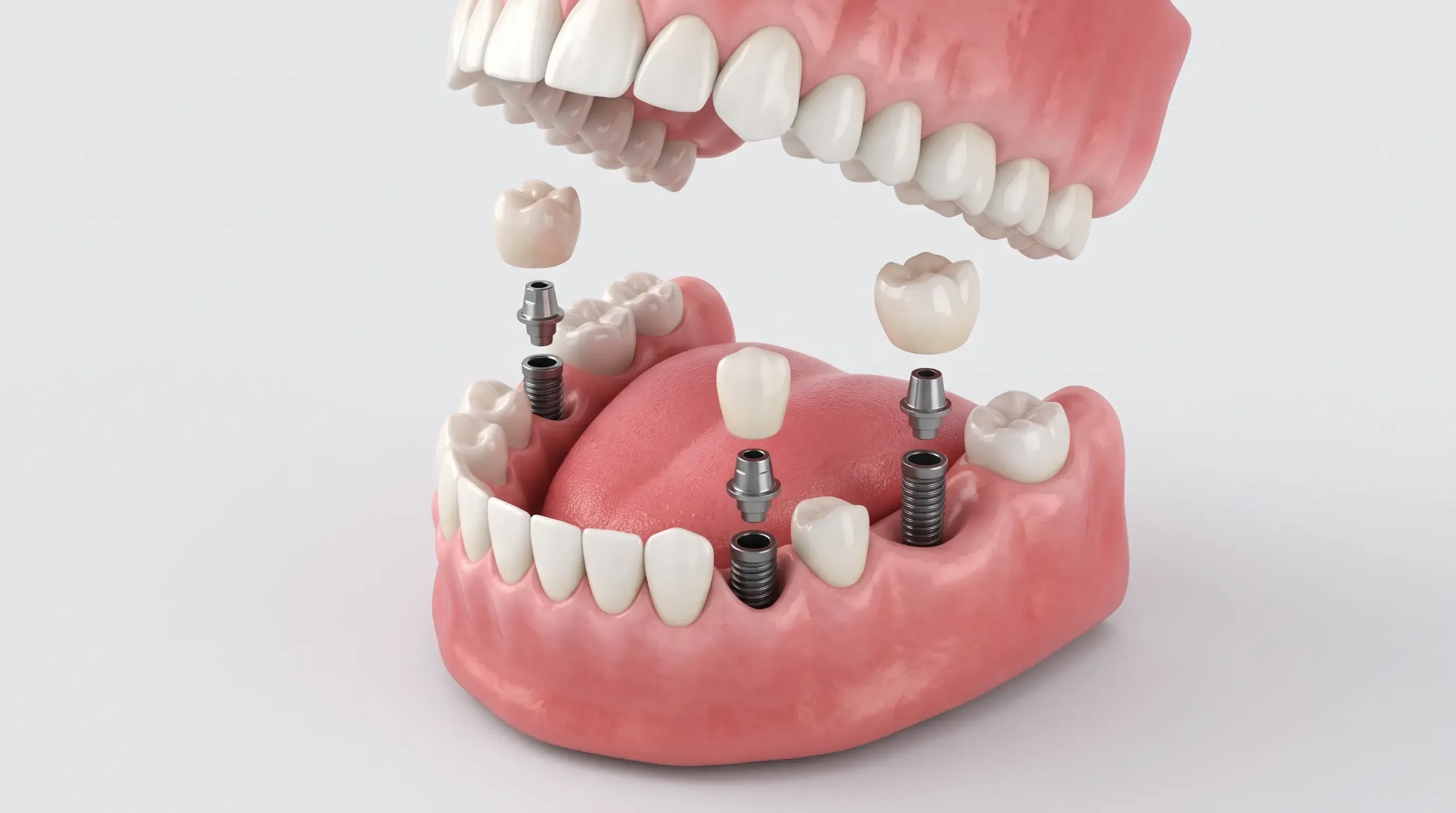
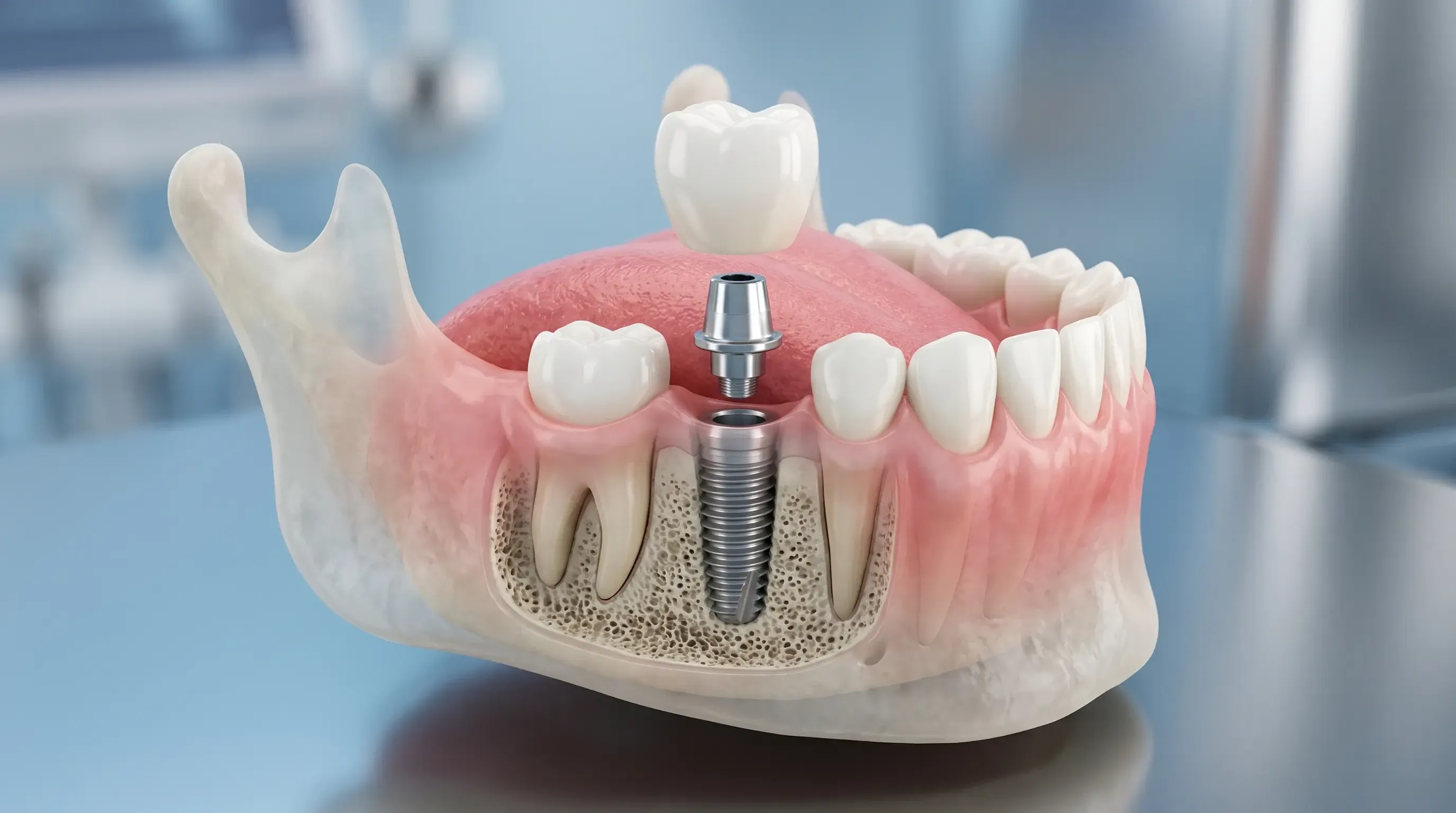
Yes. Excessive forces can cause porcelain and zirconia crowns to break, fillings to crack and problems with implant restorations. This is why a night guard may be recommended after these treatments.
Do children grind their teeth?
Grinding during sleep is common in children and often lessens as they grow. If there is marked tooth wear or pain, an examination is recommended.
Does a night guard help with snoring?
A night guard and an anti-snoring appliance are different devices. Snoring is treated with a separate appliance that positions the lower jaw forward; details are on the snoring appliance page.
What does the cost of a night guard depend on?
The cost depends on the type of guard and any extra procedures needed. Information is given after the examination.
How can I book an examination for teeth clenching in Maltepe?
You can fill in the appointment form on this page, call us or send a message on WhatsApp. The clinic is on Bağdat Caddesi in Cevizli, Maltepe, close to Kartal, Küçükyalı and İdealtepe. At the examination the wear on your teeth and your jaw joint are assessed.