
31 October 2026
Clear Aligners vs. Braces: Key Differences
Compare clear aligners and braces: learn about their differences, treatment processes, and suitable options to choose the right orthodontic care.
Deciding between clear aligners and traditional braces is one of the main choices people face when considering orthodontic treatment. Both options aim to correct tooth and jaw misalignments, but they do so using different approaches. In this article, we cover the main differences, suitable uses, and key considerations for each method.
What Are Clear Aligners and Braces?
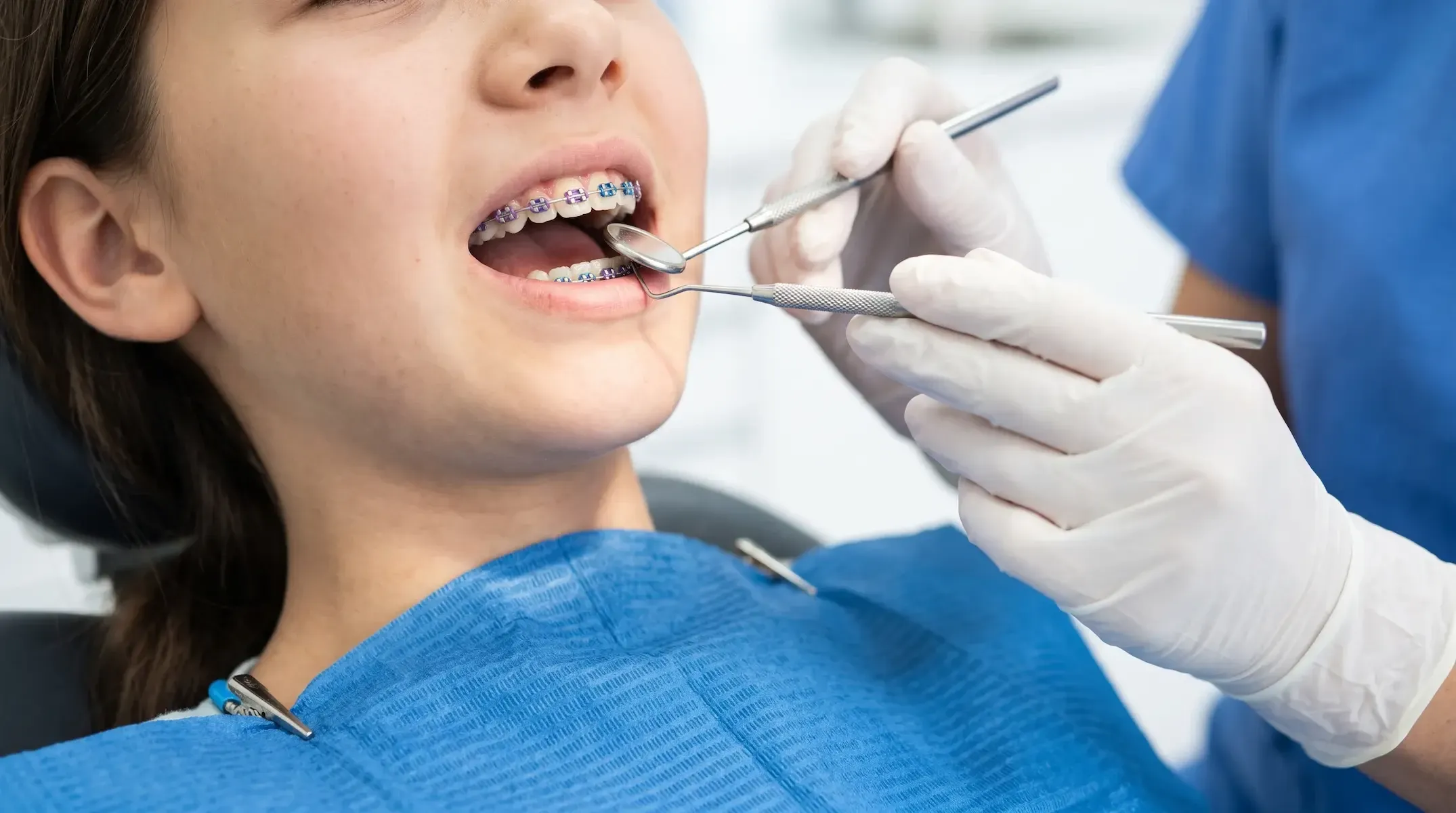
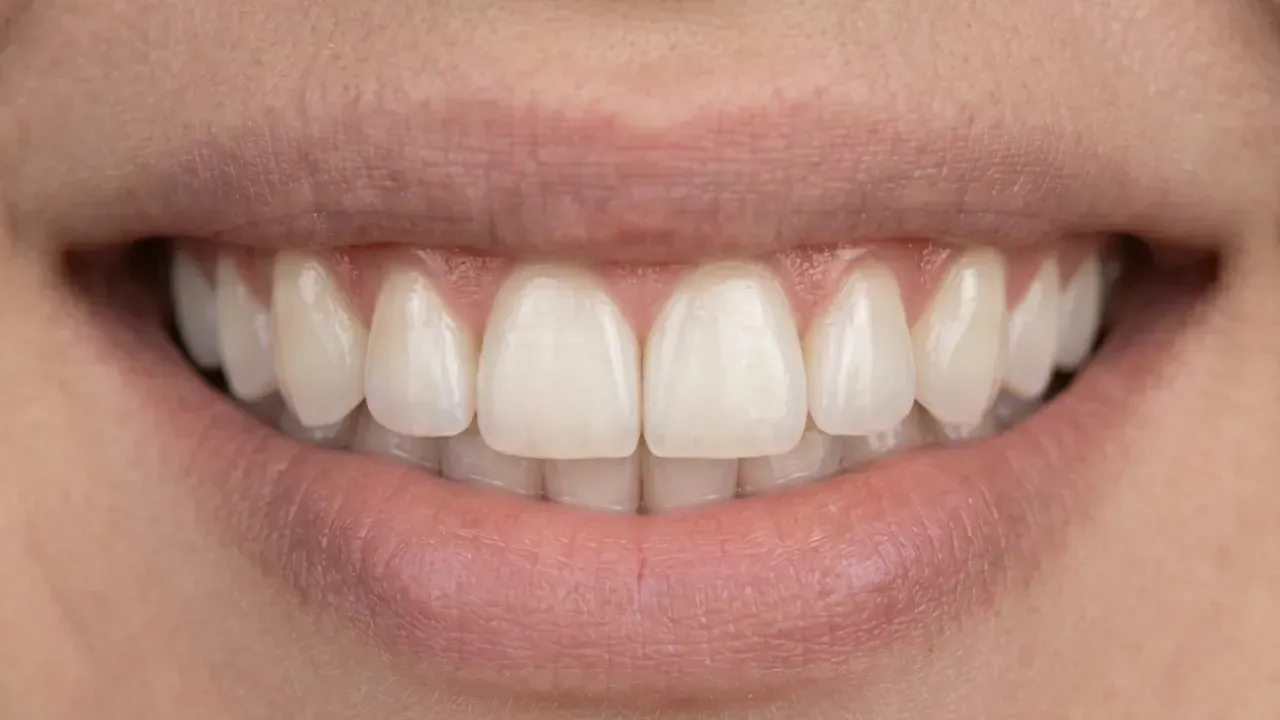
Clear aligners are custom-designed, virtually invisible trays that fit over your teeth. Traditional braces, on the other hand, consist of brackets bonded to the teeth connected by wires. While both are effective orthodontic treatments, their application and daily management differ.
Clear Aligners vs. Braces: Visibility Differences
- Visibility: Clear aligners are almost unnoticeable on the teeth, whereas metal or ceramic brackets used in traditional braces are more visible.
- Aesthetic Preference: If discretion is your main priority, clear aligners may be the preferred choice.
Clear Aligners vs. Braces: Ease of Use
- Removability: Clear aligners can be removed for eating, drinking, and brushing; braces remain fixed in place throughout treatment.
- Maintenance: Aligners can be cleaned using specialized solutions, while braces require extra care to clean food debris around brackets and wires.
Treatment Process: Clear Aligners vs. Braces
Treatment duration varies depending on your teeth's current position, bite alignment, and the severity of crowding. Clear aligners are routinely replaced with new sets, while braces progress through periodic clinical adjustments. The most suitable option is determined during an initial clinical examination.
Who Is Eligible for Aligners vs. Braces?
- Clear aligners are often preferred for mild to moderate tooth crowding or spacing.
- Traditional braces may be more effective for complex bite misalignments.
- Both treatments should be planned based on the patient's age, gum health, and commitment to compliance.
Post-Treatment Care for Aligners and Braces
Wearing a retainer is generally recommended after completing either treatment to help keep teeth in their new positions. Proper care and regular check-ups support long-term success.
Frequently Asked Questions
Which is more comfortable: clear aligners or braces?
Clear aligners may cause less soft-tissue irritation for some patients because they have smooth edges. Traditional braces often require an adjustment period at the start of treatment.
Can clear aligners treat all types of crowding?
Clear aligners may not be suitable for every condition. In complex cases, traditional braces may deliver more effective results. Your dentist will determine the best approach after an exam.
Does treatment take longer with clear aligners or braces?
Treatment time depends on individual tooth movement and patient compliance. Key factors include tray change schedules for aligners and clinical adjustment intervals for braces.
Is there a price difference between clear aligners and braces?
Costs vary depending on treatment duration, materials used, and the number of clinical sessions required. Detailed cost information is provided following an individual evaluation.
What foods should be avoided during clear aligner treatment?
Aligners are removed during meals, so you can eat normally. However, you should avoid drinking staining beverages while wearing your trays.
What care is required after getting braces?
With braces, it is important to avoid hard foods, brush regularly, and use floss designed for braces. Attending scheduled check-ups is essential.
Conclusion
Clear aligners and traditional braces are both effective orthodontic options. The best choice depends on your specific dental structure and treatment goals. Consulting a dentist for a personalized evaluation is the best first step.
About the Dentist
This content was prepared for informational purposes in oral and dental health. Dt. Ahsen Taştan graduated from Marmara University Faculty of Dentistry in 2020 and practices in pediatric dental care, braces, and clear aligner treatments.
This content is prepared for general informational purposes only and does not replace medical diagnosis or treatment. Please consult your dentist for any oral and dental health concerns.