
13 November 2026
What Does the First Week Feel Like After Getting Braces?
General information about orthodontic pain and sensitivity after getting braces. Process, expectations, and care tips for your first week.
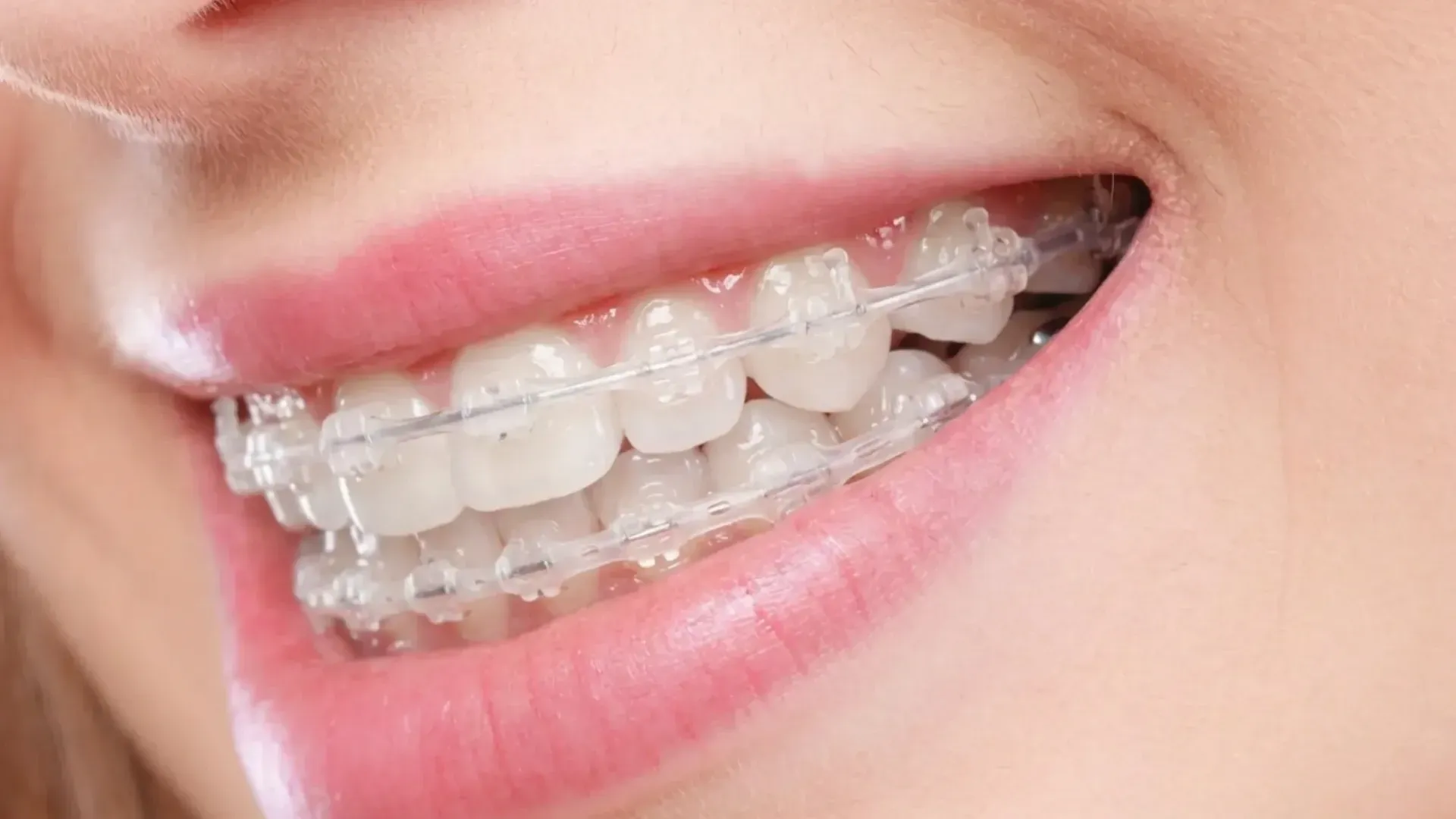
The first week after getting braces is one of the most notable phases of your orthodontic treatment journey. During this time, you may feel some changes in your teeth and surrounding tissues. The discomfort that can occur throughout the first week of braces is usually temporary and simply part of your body's adaptation process.
Symptoms such as sensitivity after brackets and orthodontic pain can vary from patient to patient. The intensity you feel depends on your treatment plan, the current condition of your teeth, and the type of appliance used. This article outlines what you might encounter during the first week after getting braces.
How does orthodontic pain feel in the first week?
A mild to moderate pressure sensation may occur immediately after getting braces and in the days that follow. This feeling is usually associated with your teeth starting to move. Many people report experiencing the most intense discomfort within the first 3 to 5 days.
Orthodontic pain generally increases while chewing. Choosing soft foods can be helpful during this period. Pain relievers should only be used as recommended by your physician.
Why does sensitivity occur after brackets?
When brackets are bonded to the tooth surface, the teeth and gum tissues are exposed to a new stimulus. This can lead to short-term sensitivity. Cold or hot foods and beverages may create a temporary aching sensation in your teeth.
- You need to be careful when flossing and brushing.
- Choosing a soft-bristled toothbrush is recommended.
- Irritation may occur on the inner surfaces of your cheeks and tongue that come into contact with the braces.
What should you pay attention to in the first week?
It is important to pay close attention to oral hygiene in the period following your braces application. Plaque buildup around the brackets can increase existing sensitivity. Additionally, if you need to use rubber bands or appliances, you must follow your doctor's instructions.
Pain and sensitivity usually subside within 7 to 10 days. During this time, it can be helpful to avoid extremely hard foods. If your symptoms persist or worsen, you should consult your dentist.
Frequently Asked Questions
Do I need to use painkillers during the first week of braces?
Orthodontic pain varies from person to person. For mild discomfort, painkillers can be used upon a doctor's recommendation, but this decision depends on an individual evaluation.
How long does sensitivity last after getting brackets?
Sensitivity after brackets is usually most intense during the first week and decreases over time. The process can progress differently for each patient.
What should I eat after getting braces?
Soft and warm foods should be preferred in the first few days. Hard, sticky, or extremely hot and cold foods can increase sensitivity.
Do braces irritate the cheeks?
Yes, in the first few days, brackets and wires can cause irritation on the inner surface of the cheeks. Simple measures like using orthodontic wax can be helpful.
How should brushing be done in the first week of braces?
Cleaning with a soft toothbrush using gentle motions is recommended. The spaces between the brackets and the gum line should be cleaned carefully.
Does orthodontic pain feel the same intensity in every patient?
No, orthodontic pain varies depending on tooth structure, treatment severity, and individual pain thresholds. A clearer idea can be obtained through a personal examination.
Conclusion
The first week after getting braces is the starting phase of your treatment process, and some temporary discomfort may be experienced. Careful care and hygiene practices are important during this period. Since every patient's experience can differ, consulting your dentist regarding any complaints is the most appropriate approach.
Expert Information
This content has been prepared for informational purposes in the field of oral and dental health. Dt. Ahsen Taştan graduated from Marmara University Faculty of Dentistry in 2020 and works in the fields of pediatric oral and dental health as well as braces and clear aligner treatments.
This content is prepared solely for general informational purposes; it does not substitute for diagnosis or treatment. You should consult your dentist for any complaints related to oral and dental health.