
12 November 2026
What Happens If Baby Tooth Decay Is Left Untreated?
Untreated baby tooth decay can lead to early tooth loss and jaw growth issues. Learn about pediatric tooth decay treatment options.
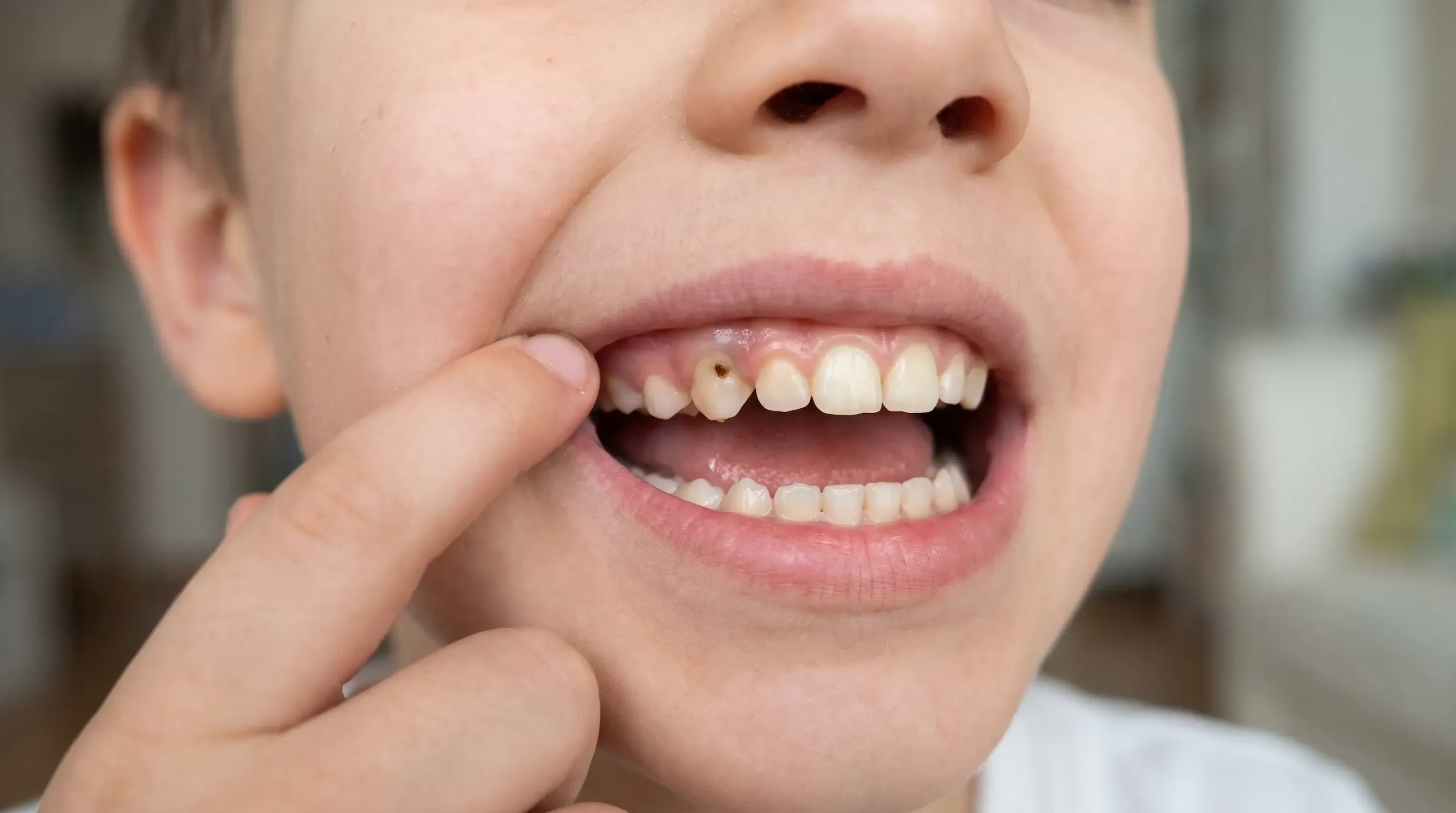
Baby tooth decay is a common condition in children that can progress if not noticed and evaluated early. These cavities break down the structure of primary teeth, leading to various short- and long-term issues. This article provides general information on the potential effects of baby tooth decay, its connection to early primary tooth loss, and pediatric tooth decay treatment options.
What Problems Can Arise If Baby Tooth Decay Progresses?
As decay advances, it can reach the inner part of the tooth and cause pain. Children may experience difficulty eating, and their sleep patterns can be disrupted. Additionally, an infection caused by decay can spread to surrounding tissues.
How Does Early Baby Tooth Loss Affect Permanent Teeth?
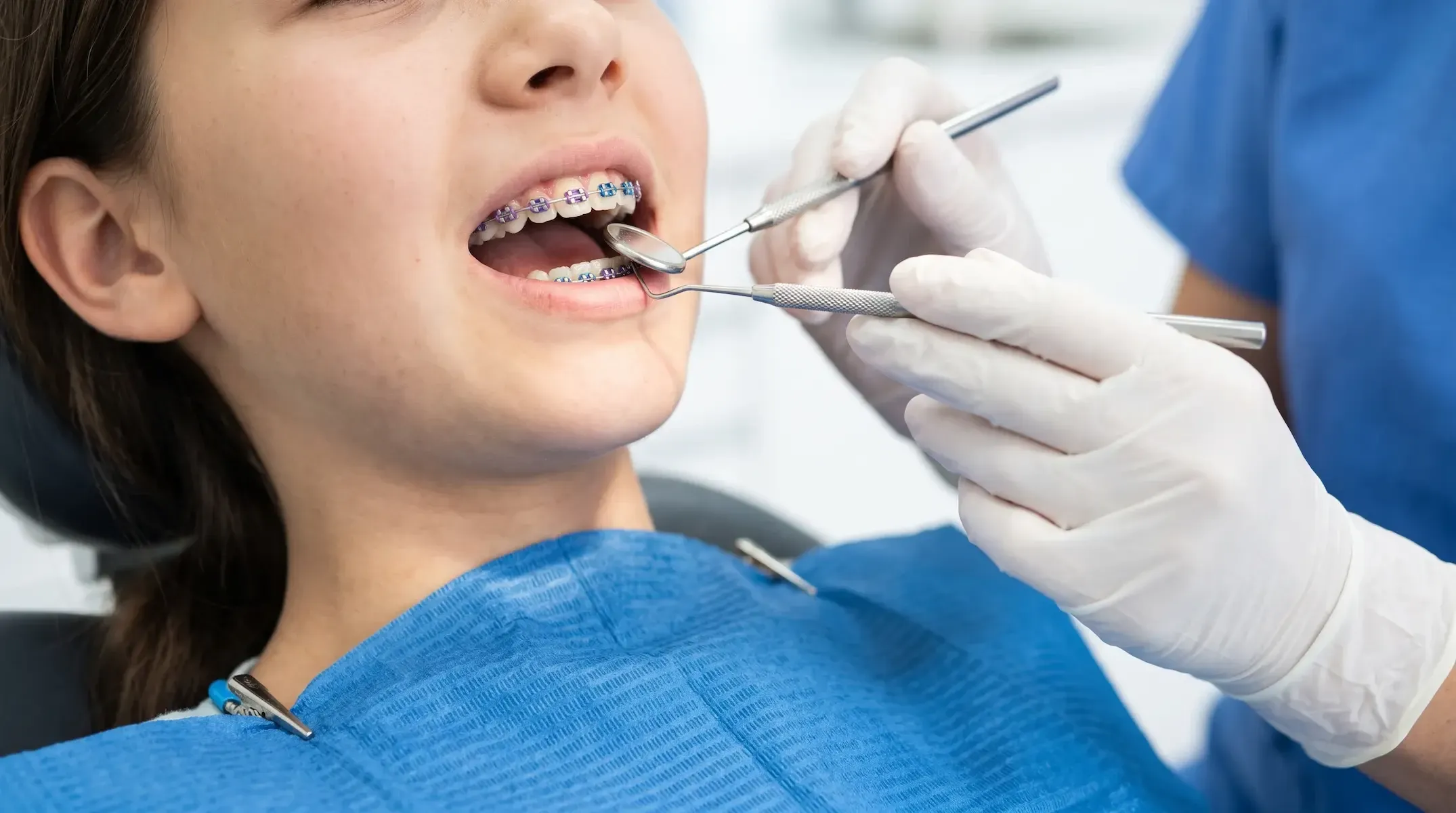
Early loss of a baby tooth can cause adjacent teeth to drift into the open space. This movement can prevent permanent teeth from emerging properly and affect jaw development, increasing the likelihood of orthodontic issues.
Why Is Pediatric Tooth Decay Treatment Important?
- Intervention can help slow down the progression of decay.
- The child's eating and speech functions can be preserved.
- The health of the underlying permanent tooth can be supported.
Is There an Infection Risk If Baby Tooth Decay Is Left Untreated?
When left untreated, decay-causing bacteria can reach the tooth root. This may result in abscess formation or gum swelling. Due to the potential for infection to spread, the condition requires close monitoring.
When Is Pediatric Tooth Decay Treatment Considered?
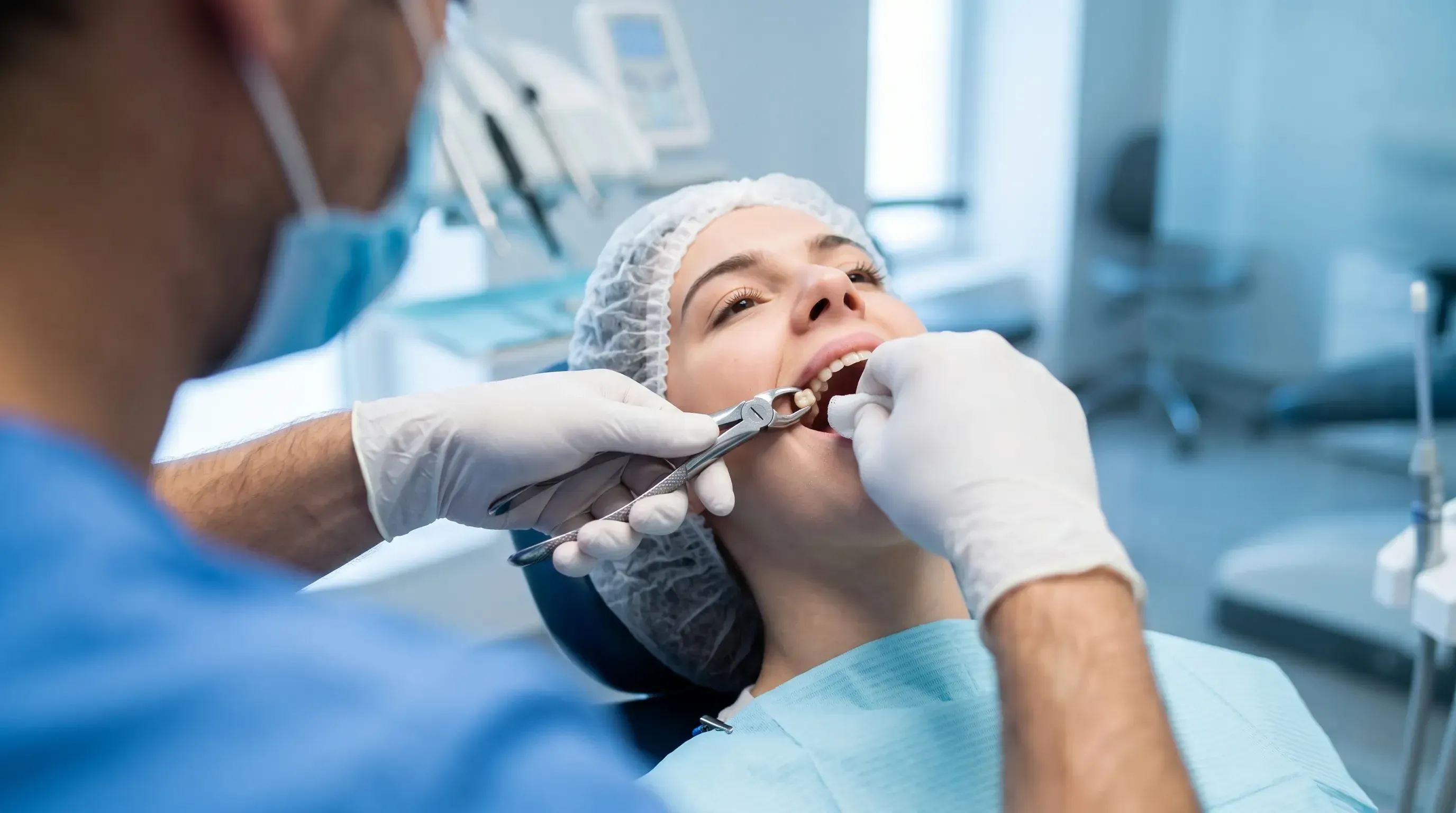
Factors such as the depth of decay, the child's age, and the condition of the tooth are evaluated. While treatments such as fillings or crowns may be planned in some cases, extraction might be considered in advanced cases. The appropriate approach is determined during a dental examination.
What Can Be Done to Prevent Baby Tooth Decay?
- Regular brushing and flossing should become daily habits.
- Consumption of sugary foods and drinks should be limited.
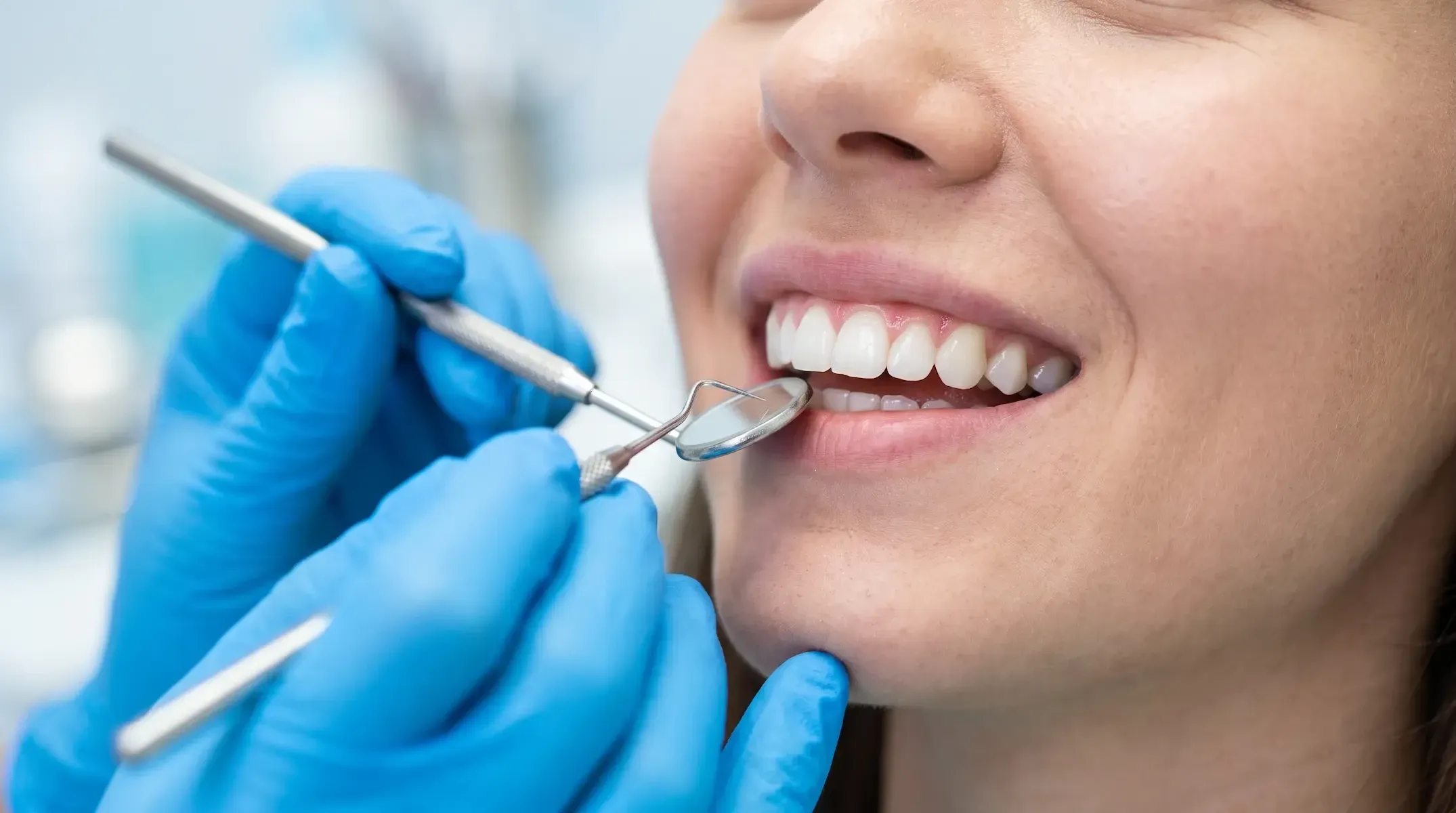
- Routine dental check-ups should not be missed.
Frequently Asked Questions
Does baby tooth decay go away on its own?
Decay is a progressive condition and does not resolve on its own. Early intervention can help slow its progression.
Does early baby tooth loss always cause problems?
It may not have the same effect in every situation. Factors such as the child's age and the location of the teeth influence the outcome.
Is pediatric tooth decay treatment painful?
Local anesthesia can be used during the procedure. Gentle approaches are preferred to ensure children feel comfortable.
Are permanent teeth affected if baby teeth are extracted?
Early loss can cause neighboring teeth to shift position, which may affect the eruption of permanent teeth.
Can a decayed baby tooth be filled?
Fillings can be applied in suitable cases. The condition of the tooth and the depth of the decay are evaluated during the examination.
Can baby tooth decay cause bad breath?
In advanced decay, bacterial buildup can cause bad breath.
Conclusion
Various problems can arise if baby tooth decay is left untreated. Early primary tooth loss and pediatric tooth decay treatment options should be evaluated individually. Because every child's oral structure is unique, a dental examination is recommended to clarify the situation.
Expert Insight
This content has been prepared for informational purposes in the field of oral and dental health. Dentist Ahsen Taştan graduated from Marmara University Faculty of Dentistry in 2020 and works in pediatric oral and dental health, as well as braces and clear aligner treatments.
This content is prepared for general informational purposes only; it does not substitute for diagnosis or treatment. For any oral and dental health concerns, you should consult your dentist.