
5 March 2026
Why Are Regular Dental Check-ups Important?
Learn the impact of routine dental check-ups on early diagnosis, comfortable treatment, and long-term oral health.
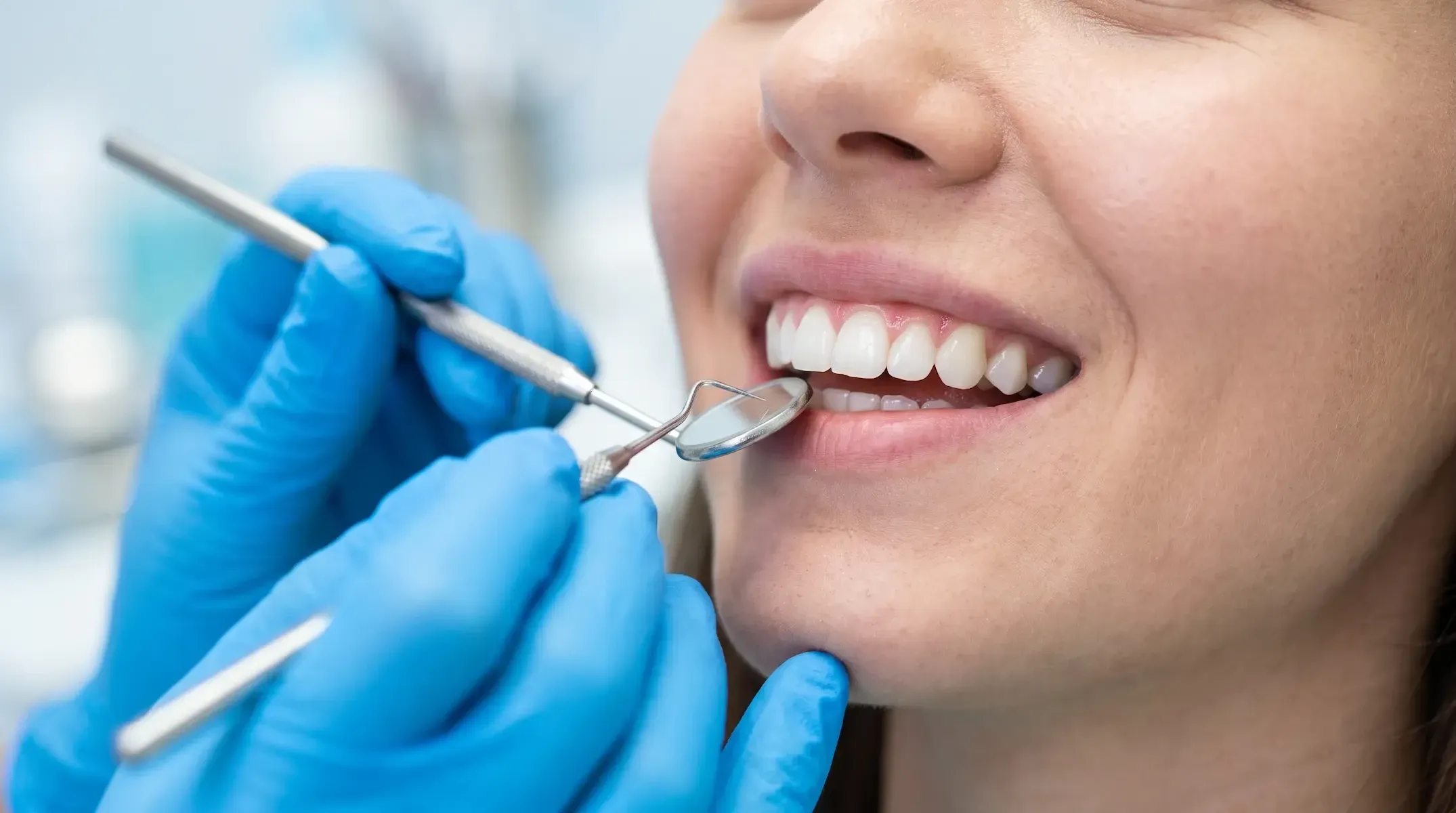
Many dental issues do not cause pain at first. A small cavity, tartar buildup, or gum inflammation can progress unnoticed. Regular dental check-ups are the most effective way to catch these problems while they are still small.
What happens during a check-up?
- Teeth and existing fillings are examined for decay and wear.
- Gum health and tartar accumulation are evaluated.
- If deemed necessary, X-rays are used to check areas that cannot be seen with the naked eye.
- Intraoral soft tissues are generally reviewed.
- Personalized recommendations are provided regarding brushing and interdental cleaning.
Advantages of early diagnosis
A cavity caught early can often be treated with a small filling. When that same cavity progresses, root canal treatment or more comprehensive procedures may be necessary. Therefore, regular check-ups mean both more comfortable and less invasive treatments.
Gum diseases also progress silently in a similar way. If you notice symptoms such as bleeding while brushing, bad breath, or receding gums, it is recommended to consult your dentist without waiting for your check-up appointment.
How often should I go for a check-up?
As a general recommendation, it is appropriate to have a check-up at least once or twice a year. However, in cases such as a history of gum disease, frequent cavity formation, or the use of implants or dentures, your dentist may recommend more frequent check-ups.
The role of home care
Check-ups do not replace daily care; they complement it.
- Brush twice a day for at least two minutes.
- Clean between your teeth using dental floss or an interdental brush.
- Limit sugary and acidic drinks.
- Replace your toothbrush approximately every three months.
Regular check-ups and proper care habits are the foundation of a healthy and long-lasting oral structure.
This article is for informational purposes only; consult your physician for diagnosis and treatment.