
19 November 2026
Why Does Tooth Pain Occur After Root Canal Treatment?
Learn about tooth pain after root canal treatment, root canal complications, and post-endodontic sensitivity. Personal evaluation is required.
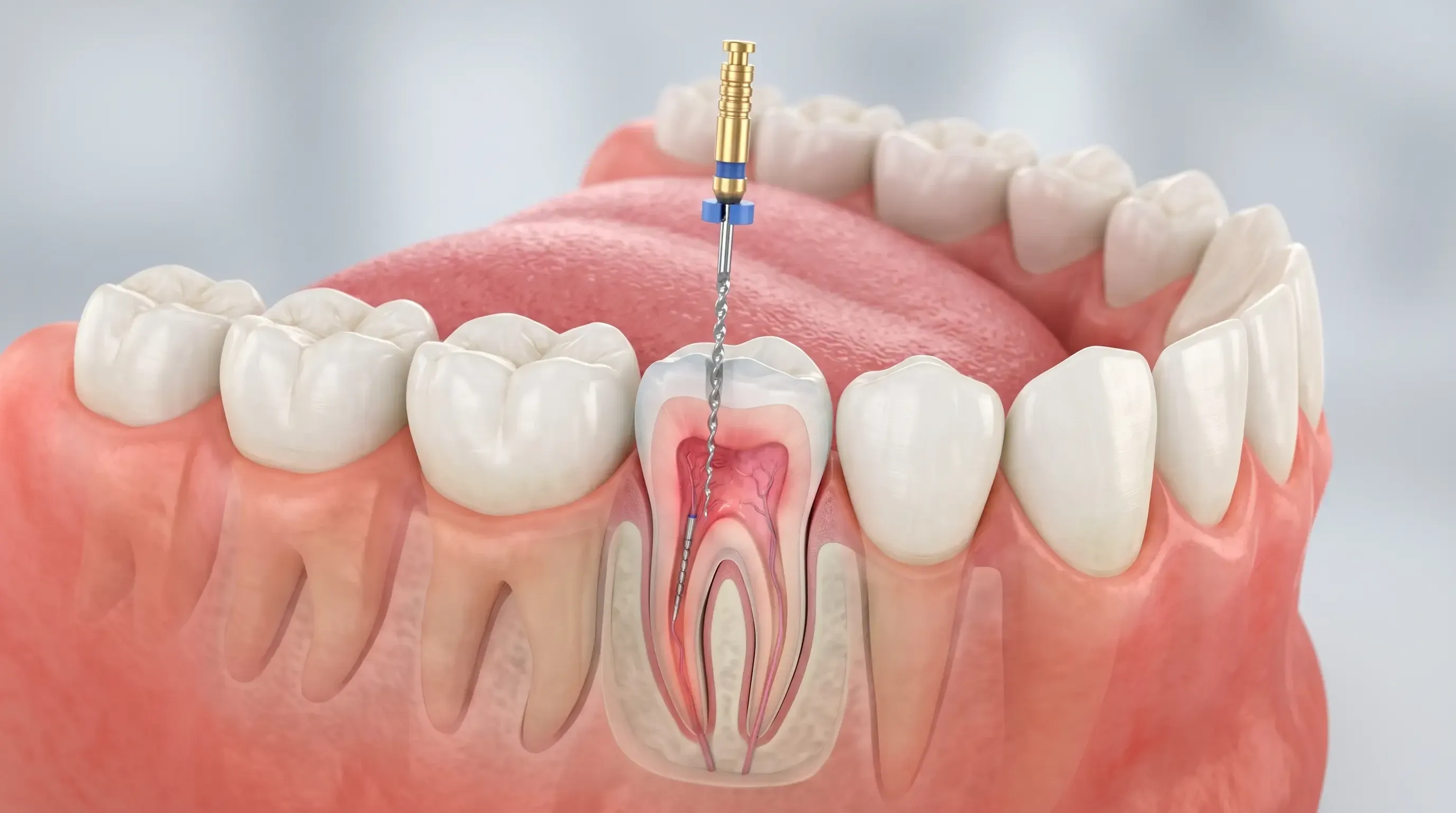
Tooth pain after a root canal is something many patients wonder about and worry about. Sensitivity or pain following a root canal treatment can occur due to tissue irritation during the procedure, remaining infection, or the healing process. This article provides information on potential causes, points to consider, and the general process.
Why does tooth pain occur after root canal treatment?
Post-endodontic sensitivity is usually short-lived and subsides as the tissues heal. However, in some cases, pain may persist. This can result from incomplete cleaning of inflammation at the root tip of the treated tooth, overextension of the root canal filling material, or reactions in the surrounding tissues.
Pain considered normal during the healing process
- Mild throbbing or a feeling of pressure in the first few days after the procedure
- Sensitivity of the tooth when biting
- Mild swelling or discomfort in the gum
What are root canal treatment complications?
Pain after a root canal can, though rarely, be associated with complications. Conditions such as infected tissue remaining at the root tip, inadequate filling of the canal, or the development of a new infection can lead to pain. In such cases, an additional evaluation may be necessary.
Factors that increase the risk of complications
- Pre-existing deep infection
- Complex root structure
- Tissue reaction to materials used during treatment
How long does the pain last and when should you see a doctor?
For most patients, pain after root canal treatment subsides within a few days. If the pain is intensifying, swelling is increasing, or biting becomes completely impossible, the situation may need to be re-evaluated. Personal examination and radiographic imaging are important during this process.
Frequently Asked Questions
How normal is tooth pain after a root canal?
Mild pain and sensitivity within the first 48-72 hours can be seen in many patients. This usually decreases on its own as the tissue heals.
How are root canal treatment complications understood?
Symptoms such as severe pain, swelling, fever, or the tooth feeling loose can be signs of complications. In this case, it is recommended to be re-examined by a dentist.
When does post-endodontic sensitivity pass?
Sensitivity usually subsides within a week. For some teeth, a bite adjustment may be necessary and they feel relieved after this adjustment.
What can be done for pain after a root canal?
The process can be managed with prescribed medications and soft diet recommendations. However, if the pain persists, a check-up examination is essential.
Could a second root canal treatment be necessary?
If the canal was not completely cleaned during the first treatment or if a new infection has developed, revision treatment may come up. This decision becomes clear with examination and imaging.
Could tooth pain after a root canal originate from other teeth?
Yes, problems in neighboring teeth or bite disorders can lead to similar complaints. Therefore, a complete evaluation is important.
Conclusion
Tooth pain after a root canal is usually a temporary condition, but in some cases, additional intervention may be required. Since every patient's situation is different, if complaints persist, consulting a dentist is the most appropriate approach.
Dentist Information
This content has been prepared for informational purposes in the field of oral and dental health. Dt. Salman Taştan graduated from Marmara University Faculty of Dentistry in 2020 and works in the fields of implant and implant-supported prosthetics, smile design, laminate and zirconium crowns, root canal treatment, and aesthetic restorations.
This content has been prepared solely for general informational purposes; it does not replace diagnosis or treatment. You should consult your dentist for your complaints related to oral and dental health.